
Views: 0 Author: Site Editor Publish Time: 2026-07-12 Origin: Site


High-performance coatings dictate component lifespan. However, industrial coating projects carry severe operational risks if the machinery misaligns with your unique production environment. Buying hardware alone is insufficient for modern manufacturing. Successful deployment demands rigorous process validation, seamless system integration, and high operator competency. Material science must perfectly intersect with mechanical engineering. We explore how partnering with a specialized Thermal Spray Equipment manufacturer shifts the dynamic. It transforms a simple vendor transaction into strategic risk mitigation for complex surface engineering projects. By choosing the right partner, you protect your facility infrastructure and ensure consistent, high-quality finishes. Let us break down the exact mechanisms experts use to support and optimize your coating operations from day one.
Evaluating a manufacturer extends beyond hardware specs to include process engineering, facility integration, and safety compliance.
Matching the correct technology (e.g., HVOF, Plasma, or flame spray equipment) to specific substrate and wear requirements prevents costly premature coating failures.
Long-term project viability relies heavily on the manufacturer's aftermarket support, operator training programs, and component availability.
A credible vendor utilizes evidence-based validation—such as metallurgical lab testing—before recommending a system layout.
Industrial coating projects rarely fail solely because of bad material. They fail from inconsistent application parameters and poor equipment integration. When a thermal spray system lacks proper synchronization with facility conditions, process drift is inevitable. Variables like gas pressure fluctuations or inconsistent powder feed rates destroy coating integrity. You need precise control over thermal and kinetic energy to achieve optimal deposition efficiency. If your machinery cannot maintain these strict parameters, your operation faces significant exposure to failure.
The operational impact of equipment misalignment is severe. Equipment downtime paralyzes production schedules and delays critical deliverables. High consumable waste rates drain resources quickly, especially when spraying premium materials like tungsten carbide. Out-of-spec part rejection damages your industry reputation. A single batch of delaminated coatings can necessitate extensive rework. You must strip the failed coating, re-prep the substrate, and spray again. This cycle wastes labor, time, and valuable raw materials.
A dedicated equipment manufacturer prevents these disastrous scenarios. They act as a critical gatekeeper for your process stability. A reputable manufacturer conducts a comprehensive audit of your facility constraints before proposing any system layout. They analyze your available electrical power and evaluate your exhaust ventilation capacity. They measure your physical footprint to ensure robotic manipulators have adequate clearance. Furthermore, they study your production volume goals. By understanding your throughput requirements, they design a cell layout that maximizes efficiency and minimizes workflow bottlenecks.
Manufacturers excel at requirement mapping. They map specific wear, thermal, or corrosion problems directly to proven system capabilities. They analyze your substrate material, desired finish, and the environmental stresses the part will face. By evaluating these distinct factors, they ensure the chosen equipment matches the metallurgical requirements of the application.
Let us evaluate the standard thermal spray portfolio. High-Velocity Systems (HVOF and HVAF) are best for creating dense, high-bond-strength wear resistance. They utilize supersonic gas velocities to propel particles. This kinetic energy is perfect for hard-facing applications using materials like tungsten carbide. Plasma spray, on the other hand, generates extreme temperatures rather than extreme velocity. You need plasma systems for thermal barrier coatings. They easily process high-melting-point ceramics like yttria-stabilized zirconia. When lower velocities and temperatures suffice, flame spray equipment offers a highly versatile solution. It provides excellent utility for basic corrosion protection, routine shaft repair, or low-stress buildup applications.
Here is a summary chart comparing these primary technologies:
| Technology | Primary Energy Source | Key Advantage | Typical Coating Materials | Best Application Scenarios |
|---|---|---|---|---|
| HVOF / HVAF | High Kinetic Velocity | Extreme density, low porosity | Tungsten Carbide, Chrome Carbide | Severe wear resistance, landing gear |
| Plasma Spray | High Thermal Heat | Melts refractory ceramics | Zirconia, Alumina, Titania | Thermal barrier coatings, aerospace parts |
| Flame Spray | Combustion Heat | Cost-effective, highly versatile | Zinc, Aluminum, Babbitt | Corrosion control, dimensional restoration |
Standard systems often require engineered modifications. Off-the-shelf setups rarely fit complex robotics integration perfectly. Specialized part geometries demand customized gun manipulators and unique tooling fixtures. A strong partner modifies the core technology to accommodate your specific part handling needs, ensuring repeatable quality on complex shapes.
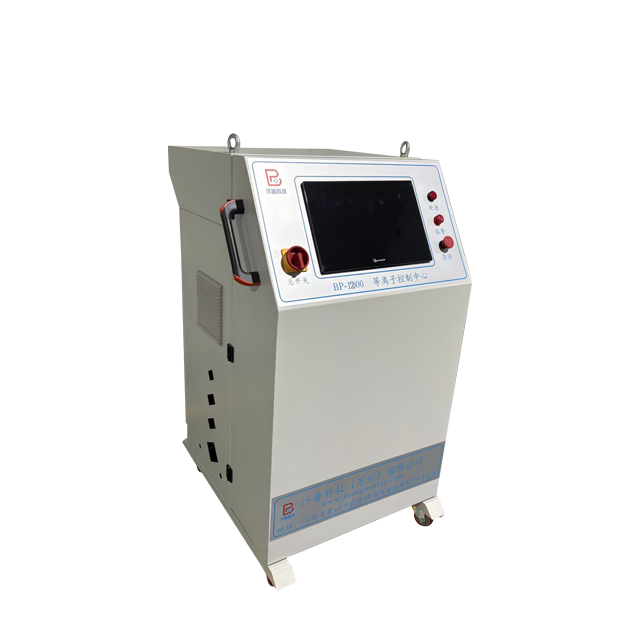
You must evaluate a manufacturer’s engineering and metallurgical expertise. Do they have in-house labs? A capable vendor validates coating cross-sections before finalizing equipment delivery. They mount, polish, and evaluate sample parts under microscopes. They check porosity levels and verify bond strength against strict industry standards. This empirical validation guarantees the machinery can produce the exact microstructural results you require.
Assess the equipment's scalability and automation potential. Your production needs will evolve. The machinery must scale smoothly from manual R&D batches to fully automated, closed-loop robotic production lines. Advanced robotic integration minimizes human error. It ensures the spray gun maintains a perfect standoff distance and traverse speed across every shift. If the system architecture restricts future automation, it limits your long-term growth.
Compliance and safety standards are non-negotiable. Evaluate the vendor's adherence to environmental controls. Thermal spraying generates intense noise, ultraviolet light, and hazardous dust. The manufacturer must provide robust acoustic enclosures and highly efficient dust collection systems. Check their alignment with industry-specific certifications. NADCAP readiness is essential for aerospace applications. ISO compliance demonstrates a commitment to rigorous quality management protocols.
Move beyond basic equipment specifications to evaluate transparent resource efficiency. Examine consumable usage rates closely. You should scrutinize gas consumption metrics and powder feed efficiency. Analyze the expected maintenance intervals for critical components. Systems engineered for high deposition efficiency reduce material waste. Equipment designed with accessible maintenance points reduces labor hours. These operational efficiencies dictate the long-term viability of your coating cell.
Site preparation requires extensive planning and disciplined execution. Real-world facility requirements often surprise new adopters. You must install high-pressure gas plumbing to support constant flow rates. You need dedicated electrical drops capable of handling massive power spikes. Acoustic management dictates where you can place the cell on your shop floor. A professional manufacturer supplies detailed site prep checklists months before installation.
System commissioning involves structured validation phases. This process ensures baseline performance before you run actual production parts. The standard sequence includes:
Factory Acceptance Testing (FAT): The manufacturer tests the entire system at their facility. They verify software logic, gas flow stability, and basic safety interlocks.
Shipping and Rigging: The equipment is safely transported and positioned within your prepared acoustic enclosure.
Site Acceptance Testing (SAT): The manufacturer calibrates the system on your floor. They spray test coupons to confirm the equipment matches the FAT metallurgical results in your environment.
Process Handover: Final sign-off occurs only when the system runs a continuous, error-free cycle.
Bridging the skill gap is a critical implementation reality. Robust operator training programs are vital for consistent coating yields. The manufacturer must help your team develop Standard Operating Procedures (SOPs). Thermal spray is highly nuanced. Operators must know how to inspect powder morphology, clean substrates properly, and monitor plasma plumes. Comprehensive training shifts your workforce from basic machine operators to knowledgeable process technicians.
Anticipate common early-stage rollout friction. Initial troubleshooting is part of every deployment. You might encounter powder feed blockages due to ambient humidity. Parameter drift can occur as operators familiarize themselves with the controller interface. An experienced manufacturer supports rapid resolution. They identify these friction points quickly and provide immediate technical guidance to stabilize your production.
Preventative maintenance prevents catastrophic system failures. Thermal spray systems endure extreme internal stress. Scheduled calibration and proactive component replacement keep lines running smoothly. A strong aftermarket support program focuses on several critical maintenance areas:
Mass Flow Controllers: Require annual tuning to guarantee precise gas mixture ratios.
Power Supplies: Need regular electrical validation to ensure stable voltage output during plasma generation.
Heat Exchangers: Demand routine flushing and flow rate checks to prevent gun overheating.
Powder Feeders: Require seal replacements and disc inspections to stop pulsation.
Evaluate the manufacturer's supply chain reliability. Check their inventory depth for critical replacement components. They must stock a vast supply of nozzles, electrodes, and high-pressure hoses. When a consumable part fails, you need an immediate replacement. High component availability minimizes Mean Time to Repair (MTTR). If a vendor relies on overseas shipping for basic spare parts, your production line remains vulnerable to extended downtime.
System upgradability defines lifecycle management. Technology advances rapidly. A strong manufacturer supports future-proofing your investment. They provide regular software updates for the programmable logic controllers (PLCs). They engineer their systems to allow new gun integrations without replacing the entire console. They design modular component retrofits. This flexible architecture ensures your legacy machine evolves alongside modern coating standards.
The right manufacturer functions as a strategic process partner. They are much more than a simple hardware supplier. They mitigate project risks by validating processes, engineering custom automation, and ensuring stringent safety compliance. Their involvement spans from the initial facility audit to decades of aftermarket support.
Decision-makers must apply strict shortlisting logic. Prioritize vendors who offer pre-sale proof-of-concept testing in their own metallurgical labs. Favor manufacturers who provide comprehensive integration planning and transparent operational metrics. Avoid vendors who merely ship boxes without validating your site conditions.
Take the next step in securing your production quality. Schedule a technical consultation with a specialized manufacturer today. Request a thorough facility audit to scope your next industrial coating deployment. With the right partner, you build a resilient, high-yield surface engineering operation.
A: A manufacturer requires several details to provide an accurate quote. You must specify the substrate material and the desired coating material. They need the exact dimensions and weight of the parts you intend to spray. You should share your target production volume. Finally, provide details regarding facility constraints, such as available footprint, electrical capacity, and ventilation infrastructure.
A: Yes. A credible manufacturer assists with the entire transition. They provide detailed ROI analysis to justify the capital equipment purchase. They assist with footprint planning to optimize workflow on your floor. Furthermore, they supply intensive training support to bring your internal staff up to speed on process control and safety protocols.
A: Implementation timelines vary based on system complexity. However, a realistic timeline ranges from 16 to 24 weeks. This includes the initial engineering phase, custom fabrication, and Factory Acceptance Testing (FAT). Shipping, site installation, and final Site Acceptance Testing (SAT) usually consume the final four to six weeks of that schedule.
A: It depends on the vendor's business model. Pure equipment builders focus solely on engineering machinery and robotics. Integrated suppliers offer both the hardware and the spray powders or wires. Integrated suppliers provide convenience and guaranteed material compatibility. However, pure builders often provide greater flexibility, allowing you to source specialized materials from independent third-party powder manufacturers.


