
Views: 0 Author: Site Editor Publish Time: 2026-09-15 Origin: Site


Atmospheric and marine corrosion aggressively degrade large-scale steel infrastructure. Standard barrier coatings frequently fail in these harsh environments, exposing critical assets to rapid oxidation and structural weakening. Applying durable protection to massive components presents a severe logistical challenge. You cannot easily transport massive bridge girders, nor can you dip complex, asymmetrical assemblies into galvanizing baths without risking severe thermal distortion. Frequent maintenance painting disrupts facility operations and drains maintenance budgets. We need a method that bridges the gap between shop-based galvanizing and field-applied paint systems. By applying high-performance, sacrificial metal spray coatings directly to the substrate, operators can achieve decades of maintenance-free service. This guide breaks down how this technology operates, why it outperforms traditional methods in the field, and how to implement it for maximum asset longevity.
Galvanic Defense: Twin wire arc spray equipment creates a sacrificial anodic layer (typically zinc or aluminum) that actively protects structural steel even if the coating is mechanically damaged.
No Heat Distortion: Unlike hot-dip galvanizing, the arc spray process transfers minimal heat to the steel substrate, eliminating the risk of warping or metallurgical changes in critical load-bearing components.
Operational Scalability: Modern systems utilizing a double wire feeder offer high deposition rates, making them viable for both automated shop environments and portable field applications.
The core mechanism relies on electrical resistance and high-velocity atomization. Two electrically conductive wires pass continuously through a specialized spray gun. These wires carry opposing electrical charges generated by a direct current (DC) power supply. As the wires converge at the gun head, they create an intense electric arc. This short circuit generates localized temperatures exceeding 4,000°C, instantly melting the wire tips. The melting point of zinc is roughly 419°C, and aluminum is 660°C, meaning the arc easily liquefies these consumable materials.
High-velocity compressed air, typically regulated between 90 and 110 PSI, immediately enters the arc zone. This primary air stream shears the molten metal into microscopic droplets. It then propels these atomized particles forward at high speeds. When the particles strike the prepared steel surface, they flatten into splats. Because the particles are microscopic and traveling at high velocity, they rapidly cool and interlock upon impact. This kinetic energy forms a dense, continuous metallic layer without transferring significant heat to the underlying steel.
A constant voltage DC power supply drives the entire operation. Industrial setups utilize inverter-based or transformer-based power sources ranging from 350 to 1000 amps. Inverter systems offer precise voltage control, which maintains arc stability. Stable arcs prevent sputtering, reduce large particle spatter, and ensure consistent coating density across the entire substrate.
A double wire feeder manages the material input. Synchronized push/pull feeding mechanisms prevent wire jamming inside the conduits, which is especially critical when using soft aluminum wire over long distances. These feeders ensure uniform melting rates by pushing both wires into the arc at the exact same speed. This synchronization allows for continuous production without frustrating operator interruptions or arc drops.
The spray gun dictates the final coating quality. Engineers design the gun head to optimize atomization efficiency. The air cap design focuses the compressed air stream, controlling the spray pattern width. Cross-milled air caps, for example, create a tighter, more focused spray pattern for complex geometries. Contact tip geometry ensures proper electrical transfer to the moving wires. Together, these components determine the particle size and velocity, directly impacting the coating's porosity and mechanical bond strength.
Galvanizing requires dipping steel into a kettle of molten zinc. This process faces severe logistical constraints. The dimensions of the zinc bath strictly limit the size of the components you can coat. Most commercial galvanizing kettles max out at 50 to 60 feet in length. If you are fabricating a 120-foot wind tower section or a massive bridge girder, dipping is physically impossible. twin wire arc spray equipment eliminates these size restrictions. You can deploy portable units to coat massive structures directly on-site, bypassing heavy transport logistics entirely.
Thermal impact presents another major challenge. Galvanizing baths operate at temperatures exceeding 450°C. Submerging thin, asymmetrical, or complex steel assemblies into this heat often causes severe distortion. The rapid expansion and contraction can warp webs on I-beams or alter the metallurgical properties of high-strength steel. The arc spray process transfers minimal heat. The steel substrate rarely exceeds 150°C during application. This low-temperature process completely eliminates the risk of warping load-bearing components.
Industrial paints rely on chemical adhesion. Over time, UV exposure, moisture, and mechanical abrasion degrade these chemical bonds. If a paint system scratches down to the bare metal, rust will immediately form and undercut the surrounding paint, causing large-scale flaking. Atomized metal particles mechanically bond with the blasted steel profile. The high-velocity impact forces the molten metal into the microscopic peaks and valleys of the substrate. This mechanical interlocking provides superior pull-off adhesion.
More importantly, a structural steel coating applied via arc spray is actively sacrificial. Zinc and aluminum are more anodically active than steel. If the coating gets gouged, the surrounding metal spray will sacrifice itself to protect the exposed steel, preventing rust from forming. Furthermore, arc-sprayed coatings require zero drying or curing time. The metal solidifies instantly upon impact. You can handle, sling, transport, or overcoat the components immediately after spraying. Industrial paints often require days to cure fully, especially in cold or humid conditions. Eliminating curing times drastically reduces project bottlenecks.
| Feature | Arc Spraying | Hot-Dip Galvanizing | Industrial Paint |
|---|---|---|---|
| Size Limitations | None (Field applicable) | Limited by bath size | None |
| Substrate Temperature | < 150°C (No distortion) | > 450°C (Distortion risk) | Ambient |
| Curing Time | Instant | Cooling period required | Hours to days |
| Adhesion Type | Mechanical | Metallurgical | Chemical |
| Protection Mechanism | Sacrificial (Galvanic) | Sacrificial (Galvanic) | Barrier |
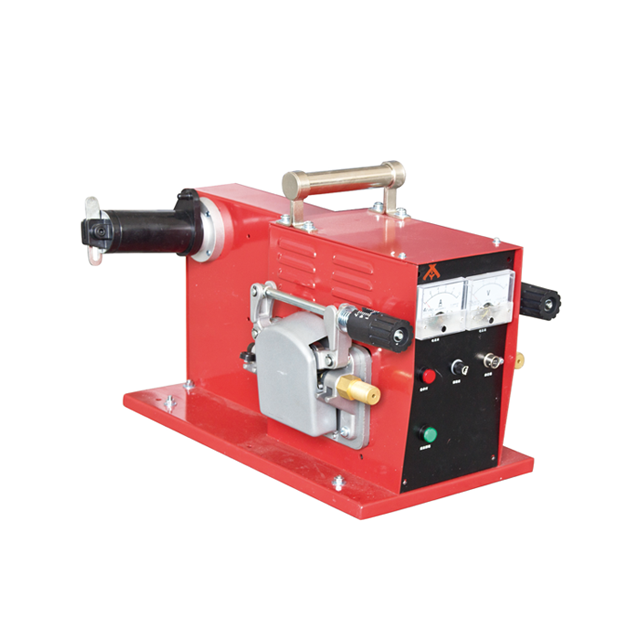
Equipment amperage directly dictates material output. A standard 350A system typically sprays around 35 pounds of zinc per hour. Upgrading to a 500A system pushes that output closer to 50 pounds per hour. Aluminum, being significantly less dense than zinc, yields lower weight-based deposition rates—roughly 11 pounds per hour at 350A—but covers a similar surface area per hour. You must match the equipment's throughput capabilities with your project scale to maintain profitable production rates.
Calculating labor efficiency requires understanding these deposition rates. High-amperage systems reduce the time operators spend spraying large surface areas, accelerating project turnaround times. However, higher output requires faster traverse speeds to prevent localized heat buildup and excessive coating thickness. Operators must balance amperage settings with their physical ability to move the gun smoothly across the substrate. In manual applications, pushing a machine to 500 amps often results in operator fatigue and uneven film build.
Several parameters dictate coating density and porosity. Voltage stability ensures consistent arc melting. Air pressure controls atomization fineness. Standoff distance—typically maintained between 6 and 8 inches—determines particle temperature upon impact. Traverse speed dictates layer thickness per pass. Optimizing these variables minimizes microscopic voids within the metallic layer, keeping porosity levels between 3% and 8%.
Industry standards govern the evaluation of mechanical bond strength. ASTM C633 and ASTM D4541 outline procedures for pull-off adhesion testing. Inspectors glue aluminum dollies to the sprayed surface and use a hydraulic tester to pull them off. High-quality zinc applications routinely achieve bond strengths exceeding 1,000 PSI, while aluminum coatings can exceed 2,000 PSI over a properly blasted surface.
Field Quality Assurance (QA) testing verifies coating integrity during production. Inspectors use Type 2 magnetic gauges to measure Dry Film Thickness (DFT) in accordance with SSPC-PA 2. Companion panel bend tests provide immediate feedback on ductility and adhesion. If the coating flakes or delaminates when the panel bends around a mandrel, operators must immediately stop production and adjust their surface preparation or spray parameters.
High-end systems seamlessly switch between different wire materials. Pure zinc offers excellent galvanic protection for standard atmospheric environments with a pH range of 6 to 12. Pure aluminum performs better in high-temperature settings (up to 1000°F) or severe marine environments. Aluminum forms a tight, passive oxide layer that resists aggressive chloride attacks and handles acidic environments down to a pH of 4.
Many infrastructure projects specify 85/15 zinc-aluminum alloys. This alloy combines the active galvanic protection of zinc with the barrier properties and chloride resistance of aluminum. Versatile equipment allows operators to swap wire spools, change contact tips, and adjust voltage settings quickly. This adaptability ensures you can meet specific engineering specifications without investing in multiple specialized machines.
Manual spraying introduces human error. Operator fatigue leads to inconsistent standoff distances, varying traverse speeds, and uneven coating thickness. Programmable Logic Controller (PLC) compatibility allows you to integrate arc spray equipment directly into automated shop lines. This integration centralizes control over voltage, wire feed speed, and atomization air pressure.
Mounting the spray gun to a 6-axis CNC robot or automated traverse arm guarantees precision. The robot maintains a perfect standoff distance and a constant traverse speed regardless of the shift duration. This results in a highly uniform coating on repetitive components like I-beams, pipes, and girders. Automation maximizes material transfer efficiency, reduces overspray waste, and ensures strict compliance with tight DFT specifications.
Metal spray coatings demand flawless surface preparation. You must achieve a white metal blast, strictly adhering to SSPC-SP 5 or NACE No. 1 standards. The blasting process must utilize sharp, angular abrasive media, such as aluminum oxide, garnet, or G16 to G40 steel grit. Round steel shot will not work because it peens the surface rather than cutting it. You need a sharp, angular anchor profile ranging from 2.5 to 4.0 mils to ensure proper mechanical interlocking of the splats.
Degrease the steel surface to remove all oils and cutting fluids per SSPC-SP 1.
Abrasive blast the steel using angular media to achieve a white metal finish (SSPC-SP 5).
Measure the anchor profile using replica tape and a spring micrometer to verify a 2.5 to 4.0 mil depth.
Blow down the surface with clean, dry compressed air to remove residual dust.
Apply the metal spray coating within 4 to 6 hours to prevent ambient humidity from causing flash rust.
Compromising on surface preparation guarantees coating failure. Moisture, oil, or flash rust on the substrate prevents the atomized metal from bonding. The coating will bridge over these contaminants and eventually delaminate under stress.
Arc spray equipment provides the primary anodic layer, but the resulting coating has inherent microporosity. As the atomized particles stack upon each other, microscopic voids remain. In aggressive environments, moisture and chlorides can penetrate these pores, reach the steel substrate, and initiate corrosion beneath the metallized layer.
Applying a low-viscosity sealer completely mitigates this risk and provides ultimate steel corrosion protection. You must use thinned epoxies, polyurethanes, or silicone-based sealers designed specifically for metallized surfaces. The sealer penetrates deep into the pores, locking out moisture. This prevents oxide expansion within the coating. This combination of metallization and a topcoat is known as a duplex system, which exponentially increases the lifespan of the asset.
The twin wire arc spray process generates significant hazards. Melting metal creates hazardous dust and toxic fumes. Inhaling zinc fumes causes metal fume fever, while aluminum dust presents a severe explosion hazard if allowed to accumulate. The high-velocity compressed air generates extreme noise, often exceeding 115 decibels. You must implement strict EHS protocols to protect operators and surrounding personnel.
Shop environments require robust engineering controls. Acoustic enclosures isolate the noise. Wet downdraft tables or HEPA-filtered dust collection systems capture airborne metal particulates before they settle. Field applications require comprehensive Personal Protective Equipment (PPE). Operators must wear supplied-air respirators (such as Nova 3 hoods) connected to breathing air filters to prevent heavy metal inhalation. They also need double hearing protection and flame-resistant leather clothing to deflect hot sparks.
Arc spray systems operate under extreme thermal and electrical stress. High-wear components require proactive replacement schedules to maintain production quality. Contact tips degrade as the wire continuously rubs against them, causing arc instability and voltage drops. Air caps accumulate metal spatter, which distorts the spray pattern and causes large, unatomized chunks of metal to spit onto the substrate. Teflon or steel wire guides wear down, leading to feed jams.
Inspect and clean the air cap with a brass brush before every shift.
Replace copper contact tips every 40 to 50 hours of arc time.
Blow out the wire conduits with compressed air weekly to remove metal shavings.
Verify the tension on the wire feeder drive rolls to prevent wire slippage.
Material storage also requires strict management. You must store metal wire in dry, climate-controlled environments. Oxidation or moisture accumulation on the wire surface introduces contaminants into the arc, compromising the final coating quality and causing the gun to sputter.
Investing in Arc Spray Equipment and heavy-duty surface preparation machinery requires significant upfront capital. However, you must evaluate this expenditure against the long-term elimination of maintenance painting cycles. Standard three-coat paint systems often fail within 7 to 10 years in harsh environments, necessitating costly scaffolding, abrasive blasting, and repainting.
A properly applied duplex system offers a 30-to-50-year time horizon for steel protection. By eliminating three or four maintenance cycles over the asset's life, the initial capital expenditure pays for itself multiple times over. You secure predictable, long-term asset reliability without recurring maintenance disruptions or facility downtime.
Stationary, automated shop systems deliver the highest consistency. They optimize material usage, reduce overspray, and lower the labor cost per square foot. However, transporting massive structural components to a metallization shop incurs exorbitant freight costs and logistical headaches.
Portable, diesel-driven field units solve this logistical nightmare. While field applications incur higher operational costs due to environmental containment, diesel compressor rentals (typically 375 CFM to 825 CFM), and manual labor, they eliminate heavy transport logistics. You can apply metal spray coating directly at the construction site, shipyard, or bridge abutment, drastically reducing overall project expenditure.
Certain assets justify the high initial cost of metallization immediately. Offshore wind monopiles, highway bridge girders over active traffic, and coastal petrochemical piping operate in extreme C4-C5 corrosive environments. Gaining maintenance access to these structures later is exceptionally dangerous and expensive.
Applying a 30-year coating in the shop or during initial construction prevents future access costs. The financial return becomes undeniable when you factor in the cost of erecting scaffolding over open water, hiring rope access technicians, or shutting down a petrochemical refinery for maintenance painting. Metallization ensures these critical assets remain operational and structurally sound for decades.
Twin wire arc spray equipment represents the most robust, versatile method for applying long-term, sacrificial corrosion protection to structural steel. It overcomes the size and thermal limitations of hot-dip galvanizing while delivering superior mechanical adhesion compared to industrial paints. Specify this equipment when dealing with oversized components, structures prone to heat distortion, or assets located in highly corrosive environments where maintenance access is severely limited.
Audit your current coating failure rates on structural steel assets to identify areas requiring upgraded galvanic protection.
Specify SSPC-CS 23.00 standards for all upcoming metallization projects to ensure proper surface preparation and application parameters.
Consult with a metallization equipment specialist to calculate specific deposition requirements based on your production volume and material choices.
Request a technical demonstration of a double wire feeder system to evaluate its arc stability, ease of maintenance, and operator ergonomics.
Evaluate shop versus field application logistics for upcoming projects to optimize your capital expenditure and labor efficiency.
A: Arc spray uses a DC electric arc to melt two conductive wires, reaching temperatures over 4,000°C. Flame spray relies on oxy-fuel combustion to melt a single wire or powder, operating at much lower temperatures. Because of the intense electrical heat, arc spraying delivers significantly higher deposition rates, denser coatings, and superior mechanical bond strength compared to traditional flame spray methods.
A: Yes, but operators must use specialized extension guns. Standard spray guns are too bulky to fit inside small diameters. Extension nozzles alter the compressed airflow, directing the atomized metal spray at a 45-degree or 90-degree angle. This allows applicators to evenly coat the internal diameters of large pipes, tanks, and vessels that would otherwise be inaccessible.
A: For severe marine environments classified as C5, engineering specifications typically require an aluminum or zinc-aluminum coating thickness between 10 to 15 mils (250 to 375 microns). This specific thickness provides a sufficient volume of sacrificial anodic material to actively protect the underlying steel substrate from aggressive saltwater corrosion for several decades.
A: Yes. The compressed air supply must be exceptionally clean and completely dry. Contractors must install heavy-duty desiccant air dryers and coalescing filters inline to remove all moisture, oil aerosols, and particulate matter. If contaminated air enters the spray gun, it will oxidize the molten particles mid-flight, causing immediate coating failure and severe blistering.
A: When applied over a properly prepared white metal blast profile and sealed with a high-quality penetrating topcoat, a zinc-aluminum duplex system routinely exceeds a 30-to-50-year lifespan. This longevity holds true even in highly corrosive industrial facilities, coastal infrastructure, and offshore environments where standard paint systems fail rapidly.
A: Absolutely, and industry standards highly recommend it. Applying a low-viscosity sealer and a subsequent topcoat fills the inherent microporosity of the sprayed metal layer. This combination, known as a duplex system, locks out moisture and chlorides. The paint protects the metallizing, and the metallizing prevents rust from undercutting the paint, drastically extending asset life.


