
Views: 0 Author: Site Editor Publish Time: 2026-09-18 Origin: Site


Aging utility infrastructure presents severe operational risks. Structural degradation in steel transmission towers exposed to harsh environments accelerates oxidation and threatens grid integrity. Continuous exposure to moisture, industrial pollutants, and coastal chlorides compromises the mechanical strength of these assets. Traditional in-situ maintenance methods consistently fall short in high-corrosion zones. Standard industrial paints fail prematurely because they rely on a simple barrier effect that chips and allows under-film creepage. Field-applied hot-dip galvanizing is physically impossible for existing, erected structures. Engineering teams need a reliable, field-viable solution to halt degradation. metal arc spray equipment serves as the industry-standard methodology for applying highly adhesive, sacrificial coatings directly on-site. This technology allows maintenance crews to deposit dense anodic layers that actively protect steel substrates. We will evaluate the mechanics, material selection, and operational realities of deploying this equipment for infrastructure preservation.
Sacrificial Defense: Arc spray systems deposit an anodic layer (typically a zinc aluminum coating) that actively sacrifices itself to prevent steel substrate oxidation, extending asset life by decades.
Operational Efficiency: Compared to other thermal spray equipment, twin-wire arc systems offer superior deposition rates and lower thermal transfer, preventing structural warping during application.
Dual-Purpose Utility: Beyond standard corrosion protection, arc spray technology is highly effective for component reclamation, allowing maintenance teams to rebuild worn structural joints and improve localized wear resistance.
Implementation Reality: Successful deployment requires rigorous surface preparation (abrasive blasting to white metal) and strict adherence to environmental safety protocols regarding metal dust and fumes.
Field-applied corrosion protection demands high bond strength without compromising the metallurgical integrity of the existing structure. Transmission towers endure heavy dynamic loads from wind and ice. Any applied coating must resist flaking, cracking, and mechanical impact. Achieving this requires specialized application hardware capable of melting and atomizing metal wire in open-air environments. You cannot rely on standard paint sprayers for this level of structural defense.
The core process relies on electrical resistance and pneumatic atomization. Two electrically conductive consumable wires feed continuously into a specialized spray gun. These wires act as the positive and negative electrodes. When they intersect at the gun head, an electric arc forms, instantly melting the wire tips. Simultaneously, a high-velocity stream of compressed air atomizes the molten metal into fine droplets and propels them toward the prepared steel substrate.
Operators must maintain precise control over electrical parameters to ensure coating quality. Voltage determines the arc length and stability. Amperage dictates the melt rate and overall deposition speed. Maintaining a stable arc ensures consistent droplet size, which directly correlates to uniform coating density and optimal surface finish. Modern Arc Spray Equipment utilizes advanced inverter technology to stabilize these parameters automatically. This reduces operator error during complex field applications where environmental variables constantly shift.
To achieve the best results, field technicians monitor specific parameters based on the wire material. The table below outlines typical baseline settings used in field applications.
| Material Type | Typical Voltage (V) | Typical Amperage (A) | Atomizing Air Pressure (PSI) | Standoff Distance (Inches) |
|---|---|---|---|---|
| Pure Zinc | 22 - 26 | 200 - 400 | 60 - 80 | 5 - 7 |
| 85/15 Zinc-Aluminum | 24 - 28 | 200 - 350 | 65 - 85 | 5 - 7 |
| Pure Aluminum | 28 - 32 | 150 - 300 | 70 - 90 | 6 - 8 |
A primary concern when applying molten metal to structural steel is the potential for heat-induced warping or the creation of a heat-affected zone. Arc spraying mitigates this risk entirely through its thermal dynamics. The electric arc itself reaches temperatures exceeding 4,000°C to melt the consumable wire. However, the continuous flow of atomizing compressed air rapidly cools the microscopic metal particles during their transit to the substrate.
This rapid cooling results in a cold process relative to the steel tower. The substrate rarely exceeds 150°C during continuous application. Because the steel remains well below its critical transformation temperature, there is absolutely no risk of metallurgical alteration, loss of tensile strength, or dimensional distortion. The structural integrity of the transmission tower remains fully intact, even when applying thick layers of metal.
Aging transmission towers suffer from localized mechanical wear alongside general atmospheric corrosion. Wind-induced vibration causes fretting at bolt holes, gusset plates, and guy-wire attachment points. Material loss in these critical junctions compromises the load-bearing capacity of the entire structure. We frequently see towers where the steel has worn down by several millimeters due to decades of constant friction.
Maintenance teams utilize arc spray technology for structural component reclamation. By adjusting the wire feed and utilizing harder alloy wires, operators rebuild worn areas back to their original dimensional tolerances. The propelled metal particles flatten upon impact, interlocking mechanically with the roughened substrate and previously deposited layers. This builds a highly adhesive, wear-resistant layer that restores the physical dimensions of the joint while simultaneously providing active corrosion defense.
Identify and isolate the worn structural component on the tower.
Abrasive blast the worn area to a white metal finish to ensure maximum mechanical bonding.
Apply the metal spray in overlapping passes, building up the thickness gradually to avoid internal coating stress.
Measure the built-up area with calipers to confirm dimensional tolerance is restored.
Seal the reclaimed area with a penetrating epoxy sealer to prevent moisture ingress into the microscopic pores of the sprayed metal.
The effectiveness of transmission tower coating depends heavily on the selection of consumable wire. Engineers must match the metallurgical properties of the spray material to the specific environmental corrosivity of the site. Applying the wrong metal alloy will result in premature depletion of the sacrificial layer and leave the steel exposed.
The industry standard for infrastructure protection is the 85% Zinc and 15% Aluminum alloy wire. This specific formulation offers synergistic benefits that outperform pure metals in most atmospheric conditions. Zinc acts as the active galvanic component. Because zinc is more electrochemically active than steel, it sacrifices itself. It oxidizes to protect the underlying iron even if the coating is scratched or mechanically damaged by maintenance crews.
Aluminum provides a passive, durable oxide barrier. As the zinc slowly depletes, the aluminum oxidizes to form a dense, insoluble layer that seals the surface against further moisture and oxygen penetration. A zinc aluminum coating effectively slows the overall depletion rate of the sacrificial layer. This extends the protective lifespan of the application significantly compared to pure zinc. We specify this alloy for the vast majority of inland and moderate coastal tower rehabilitations.
While the 85/15 alloy is versatile, specific environments dictate the use of pure metals. Pure zinc remains ideal for highly alkaline environments. It offers excellent and immediate galvanic protection, making it highly effective for standard inland atmospheric conditions. However, pure zinc depletes faster than alloyed coatings. You must apply thicker initial layers to achieve the same lifespan, which increases application time on the tower.
Pure aluminum is superior in highly acidic environments or coastal marine locations with severe chloride exposure. Aluminum forms a highly resilient passive oxide film that resists salt spray degradation exceptionally well. The trade-off involves application difficulty. Aluminum has a higher melting point and requires precise parameter control to avoid excessive porosity during the spray process. Operators must maintain a strict standoff distance, as aluminum particles cool faster and can bounce off the substrate if the gun is held too far away.
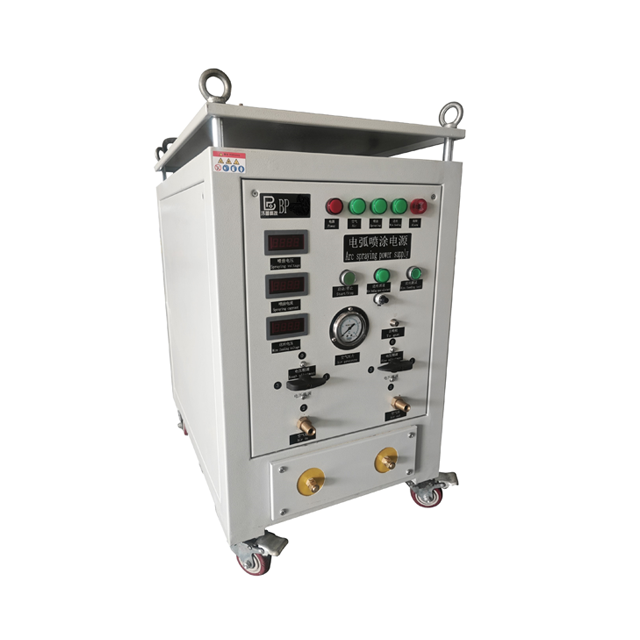
When selecting thermal spray equipment for field deployment, engineers evaluate technologies based on deposition speed, coating quality, and logistical viability. Arc spray systems consistently outperform legacy methods in large-scale infrastructure projects. You need equipment that can handle the rugged conditions of a remote utility right-of-way while delivering consistent coating quality.
The primary distinction between arc spray and wire flame spray lies in the energy source. Flame spray relies on oxy-fuel combustion, typically oxygen mixed with acetylene or propane, to melt the wire. Arc spray utilizes electrical resistance. This difference fundamentally changes the output capacity and coating characteristics.
Arc spray yields significantly higher deposition rates. It often outputs three to five times more material per hour than standard flame spray units. This rapid coverage reduces labor time drastically on large transmission towers. The higher particle velocity achieved by the electric arc and compressed air produces coatings with higher bond strength and lower porosity. The resulting layer is denser and provides superior long-term wear resistance compared to the relatively porous coatings generated by flame combustion. Furthermore, eliminating explosive gases from the job site greatly simplifies safety protocols and logistics.
Traditional industrial paints and epoxies rely entirely on a barrier effect. They physically block moisture and oxygen from reaching the steel. Once this barrier is breached by mechanical damage, UV degradation, or thermal expansion, moisture penetrates the film. This leads to under-film creepage. Rust expands beneath the paint, causing massive blistering and catastrophic coating failure. We see this constantly on older towers where the paint is peeling off in large sheets.
Thermal sprayed metals provide cathodic protection. The anodic layer actively prevents the steel from oxidizing, even if a scratch exposes the bare substrate. The zinc will corrode preferentially, sealing the breach with zinc oxides and preventing rust from creeping beneath the adjacent coating. This fundamental difference in failure mechanisms makes metallization vastly superior for long-term structural preservation. You are not just covering the steel; you are fundamentally altering its electrochemical environment.
Selecting the correct hardware requires evaluating specific performance metrics that directly impact project timelines and coating longevity. Engineers must analyze equipment specifications to ensure field viability. A machine that works perfectly in a climate-controlled fabrication shop may fail miserably on a windy hillside.
Equipment amperage ratings directly correlate with wire feed speeds and overall coverage rates. A standard 350A system is sufficient for localized repairs and smaller structural components. For full-scale tower metallization, 500A to 700A systems are preferred. Higher amperage allows the equipment to melt thicker wires or feed standard wires at a much faster rate. This translates directly to square footage covered per hour.
Faster deposition minimizes tower downtime. In utility maintenance, time on site dictates the bulk of the project schedule. High-output systems reduce the number of days required for scaffolding rental, traffic control, and specialized access equipment. Accelerating the overall project turnaround allows utility companies to service more towers within their limited seasonal maintenance windows.
The ultimate success of tower corrosion protection relies on the coating's ability to remain adhered to the steel under stress. Industry standards, such as ASTM C633 testing protocols, define acceptable bond strengths for thermal sprayed coatings. Proper arc spray application should easily exceed 3,000 PSI in tensile pull-off tests. Field inspectors use portable adhesion testers to verify this metric before signing off on the work.
Porosity is another critical metric. All thermal spray coatings contain some microscopic voids. However, excessive porosity allows moisture to penetrate too quickly, accelerating the depletion of the sacrificial layer. Modern closed-loop control systems on advanced equipment monitor and adjust voltage and air pressure in real-time. This automated regulation minimizes porosity, ensuring a denser, more protective anodic layer that resists environmental penetration. We always recommend applying a thin, penetrating epoxy sealer over the sprayed metal to fill these microscopic voids and further extend the coating life.
| Quality Control Metric | Testing Method | Acceptable Standard |
|---|---|---|
| Surface Profile | Replica Tape / Micrometer | 2.5 to 4.0 mils angular profile |
| Coating Thickness | Magnetic Dry Film Thickness Gauge | 8 to 12 mils (depending on spec) |
| Adhesion Strength | ASTM D4541 Pull-Off Test | > 1,500 PSI (Field minimum) |
| Visual Inspection | Visual / Magnification | No blistering, cracking, or uncoated areas |
Deploying heavy industrial equipment in remote or difficult environments introduces practical challenges. Successful execution requires meticulous planning, stringent surface preparation, and strict adherence to safety protocols. You cannot cut corners during the setup phase without compromising the final coating quality.
Arc spray coatings rely entirely on mechanical bonding. There is no chemical adhesion or metallurgical fusion between the sprayed metal and the steel substrate. Therefore, surface preparation is the most critical phase of the operation. If the steel is not prepared correctly, the metal coating will literally peel off in your hands.
The steel must undergo abrasive grit blasting to achieve a sharp, angular surface profile. We typically aim for a profile depth between 2.5 to 4.0 mils. The cleanliness standard must meet a near-white or white metal finish, classified as SSPC-SP 10 or SSPC-SP 5. Any residual rust, mill scale, old paint, or grease will cause immediate coating delamination. The time window between blasting and spraying is strictly limited to prevent flash rusting. You must coordinate simultaneous blast-and-spray operations on different sections of the tower to ensure the steel remains pristine.
Erect full containment netting around the tower section to capture spent abrasive media.
Dehumidify the containment area if ambient humidity exceeds 85%.
Blast the steel using angular grit, such as aluminum oxide or crushed garnet. Never use round steel shot.
Test the blasted surface for invisible soluble salts using a Bresle patch test.
Apply the arc spray coating within four hours of blasting to prevent oxidation.
Transporting heavy power supplies, high-capacity air compressors, and bulk wire spools to remote transmission tower sites presents significant logistical hurdles. Many towers are located off-road, requiring tracked vehicles or helicopter drops for equipment positioning. You must plan the site layout carefully to ensure air and power cables can reach the top of the tower without excessive voltage drop.
Contractors must evaluate the trade-offs between heavy-duty stationary units and lighter, inverter-based mobile systems. Older transformer-based power supplies are incredibly durable but excessively heavy. Modern inverter-based power sources offer the same amperage output at a fraction of the weight, greatly improving mobility in rugged terrain. The air compressor must deliver clean, dry air at sufficient CFM. We require a minimum of 185 CFM for a single spray gun. Any moisture or oil in the air lines will contaminate the arc, cause the wire to sputter, and ruin the coating adhesion. Always install high-capacity desiccant air dryers inline before the spray equipment.
The metallization process generates severe occupational hazards that require strict mitigation. The electric arc emits high-intensity UV light, capable of causing severe eye damage and skin burns. The intense heat and electrical discharge also generate ozone in the immediate vicinity. Operators cannot treat this like a standard painting job; the safety requirements are much closer to heavy industrial welding.
Atomizing molten zinc and aluminum produces heavy metal dust and toxic fumes. Operators must wear supplied-air respirators, specialized UV-shading helmets, and heavy leather protective clothing. Extreme noise levels from the compressed air atomization mandate dual hearing protection. Site managers must implement containment structures and portable dust extraction systems to capture overspray. This ensures compliance with environmental regulations regarding heavy metal contamination in the soil beneath the tower.
Audit existing tower structures to identify zones with severe coating failure and localized mechanical wear.
Specify 85/15 zinc-aluminum wire for inland towers to maximize the lifespan of the sacrificial anodic layer.
Procure inverter-based arc spray systems to ensure equipment mobility across rugged, off-road utility right-of-ways.
Establish strict abrasive blasting protocols to guarantee a minimum 2.5 mil angular surface profile before application.
Implement full environmental containment and supplied-air respiratory programs to protect operators from heavy metal dust and UV exposure.
A: A properly applied 85/15 zinc-aluminum coating typically provides 30 to 50 years of maintenance-free corrosion protection. The exact lifespan depends on the coating thickness and the specific environmental corrosivity. Inland applications generally last longer than those in severe coastal or highly acidic industrial zones.
A: No. The steel substrate must remain completely dry and free of condensation. High humidity causes flash rusting on the freshly blasted steel before the coating is applied. Industry standards dictate that the substrate temperature must be at least 3°C above the dew point during application.
A: The steel must be abrasive grit blasted to a near-white or white metal finish. The blasting process must create a sharp, angular surface profile of 2.5 to 4.0 mils. This specific profile ensures the mechanical interlocking of the sprayed metal particles.
A: Both provide excellent sacrificial zinc protection. Hot-dip galvanizing involves submerging steel in molten zinc, creating a metallurgical bond, but it can only be done in a factory. Arc spray provides a mechanical bond and can be applied in the field to existing, erected structures.
A: Yes. Operators require specialized training to manage electrical parameters, maintain proper standoff distance, and control the spray angle. They must also be trained in handling high-voltage equipment, managing compressed air systems, and strictly adhering to heavy metal respiratory safety protocols.
A: Yes. By concentrating the spray application and using harder alloy wires, operators can build up significant thickness on worn areas like bolt holes and gusset plates. This process reclaims the lost material, restoring the component to its original dimensional tolerances while adding wear resistance.


