
Views: 0 Author: Site Editor Publish Time: 2026-08-14 Origin: Site


In high-volume finishing operations, the bottleneck to achieving a flawless, repeatable finish rarely lies in the spray gun itself, but rather in the supporting infrastructure driving it. Relying on inadequate or consumer-grade fluid delivery and air regulation systems leads to inconsistent atomization, excessive material waste, fluctuating fluid pressures, and costly production downtime. When operators struggle with pressure drops or fluid starvation, the end result is invariably rework and wasted material on the shop floor.
Upgrading to professional Spray Auxiliary Equipment—ranging from precision fluid regulators and agitators to advanced air filtration and heating units—transforms an unpredictable finishing process into a controlled, high-yield operation. This guide evaluates the technical and financial benefits of integrating these systems into your production line, ensuring you maximize transfer efficiency and maintain strict quality control across all shifts.
Predictable Quality Control: Professional auxiliary systems stabilize fluid and air pressure, ensuring consistent atomization and eliminating finish defects like orange peel or stippling.
Maximized Transfer Efficiency: Precision regulation reduces overspray, significantly cutting material costs and lowering VOC emissions to meet environmental compliance.
Operational Scalability: Transitioning from gravity or suction cups to continuous fluid delivery systems (pumps and pressure pots) drastically reduces refill downtime and accelerates cycle times.
Risk Mitigation: Proper air preparation and fluid conditioning prevent premature wear on primary industrial coating equipment, extending asset lifespan and reducing maintenance overhead.
To understand the impact of these systems, we must first define the ecosystem of a modern finishing line. The primary applicator is only the final delivery point. The auxiliary equipment encompasses the air compressors, fluid pumps, pressure tanks, pneumatic agitators, fluid regulators, and multi-stage filtration units that condition and transport the material. Without this supporting infrastructure, even the most advanced spray gun cannot perform to its engineered specifications. You need a reliable backbone to push heavy solids and maintain atomization air.
Different application technologies require specific auxiliary integrations to function optimally. Understanding how these components interface with your primary setup is critical for achieving a uniform finish. If you run a high-production shop, matching the pump ratio to the fluid viscosity is a daily requirement.
HVLP Systems: Supplying the high volume (CFM) of clean, dry air required without causing inline pressure drops. You need large diameter hoses and high-flow fittings to prevent starving the gun at the air cap.
Airless Systems: Handling extremely high fluid pressures safely while delivering heavy coatings. Auxiliary pumps and surge suppressors handle these high pressures safely, ensuring a steady fan pattern without tailing at the edges.
Air-Assisted Airless Systems: Achieving the perfect balance through independent control of air and fluid pressures to optimize atomization. This setup requires precise dual-regulation to dial in the pattern for complex geometries.
When comparing auxiliary-driven systems with manual application methods, the advantages become stark. Manual brush-and-roller techniques are prone to human error, resulting in brush marks, roller stipples, and uneven film build. Automated fluid control eliminates these defects entirely. Professional-grade auxiliary gear removes operator guesswork regarding viscosity changes, pressure fluctuations, and fluid delivery rates, shifting the process from manual estimation to automated precision.
Operators no longer need to guess if the paint is too thick or if the compressor is keeping up. The gauges and regulators provide hard data, allowing for repeatable setups day after day. This consistency is what separates a professional finishing shop from a hobbyist garage.
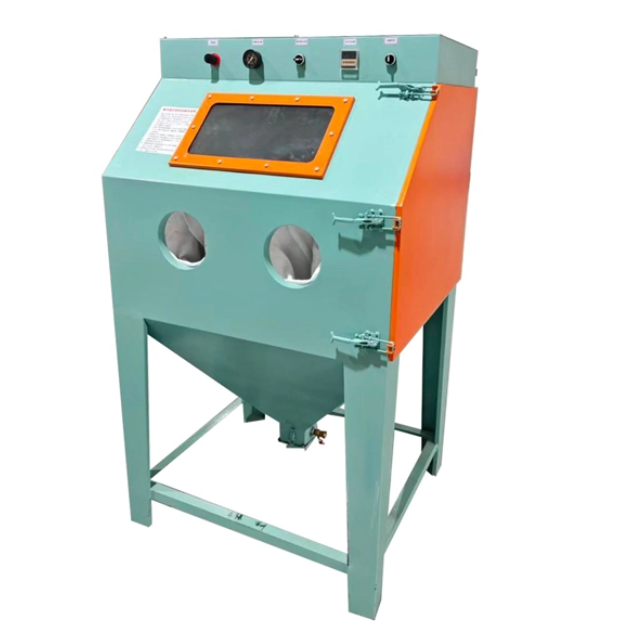
Independent air and fluid regulation is the cornerstone of professional finishing. By separating the control mechanisms, operators can fine-tune the fluid delivery rate independently of the atomizing air pressure. This dual-regulation prevents pressure drops during continuous spraying, ensuring a uniform film build across large surface areas. When spraying a large panel, maintaining a constant fluid pressure prevents the center of the fan pattern from starving, which would otherwise cause dry spray or uneven coverage.
Advanced auxiliary systems also possess the capacity to atomize and deliver heavier, high-viscosity coatings. Standard gravity-fed cups fail to transport thick materials effectively, leading to sputtering and poor atomization. Pressurized fluid delivery overcomes this limitation, pushing heavy coatings smoothly to the fluid nozzle. You can push 100% solids or heavy zinc primers through a 50-foot hose without losing pressure at the tip.
This level of control means you can adjust the fluid pressure to exactly 15 PSI for a thin stain, or crank it up to 60 PSI for a heavy enamel, all while keeping the atomizing air at a steady 40 PSI. This flexibility is impossible with basic setups.
Transfer efficiency measures the percentage of coating material that actually adheres to the target surface versus the amount lost to the surrounding environment. In the context of Industrial Coating Equipment, maximizing this metric is crucial for profitability. Auxiliary fluid regulators prevent over-pressurization, which directly reduces material bounce-back and overspray. When fluid hits the surface at the correct velocity, it adheres rather than fracturing into the air.
Consider a facility spraying hundreds of gallons of coating per month. If auxiliary regulation reduces overspray by just 10 to 15 percent, the material savings are substantial. This reduction not only lowers procurement costs but also decreases the frequency of filter changes in the spray booth. Less paint in the air means less paint on the floor, on the operator, and in the exhaust stack.
Calculating these savings is straightforward. If you spray 1,000 gallons a year at $50 a gallon, a 15% increase in transfer efficiency saves you $7,500 annually in material alone, completely offsetting the cost of a new pressure pot and regulator setup.
Cup-fed spray guns impose strict operational limits. A standard one-quart cup requires constant refilling, breaking the operator's rhythm and introducing the risk of contamination during manual mixing. Upgrading to auxiliary-fed systems, such as 2-gallon to 10-gallon pressure pots or pneumatic piston pumps, eliminates this bottleneck. You mix once, seal the tank, and spray continuously.
The labor hours saved by removing constant material refills accumulate quickly over a single shift. Continuous fluid delivery is an absolute requirement for automated or semi-automated finishing lines, where stopping to refill a cup would halt the entire production conveyor. A 5-gallon pressure pot allows an operator to spray for hours without stopping, maintaining a wet edge on large parts.
Furthermore, the physical strain on the operator is reduced. Holding a gun with a full quart of paint weighs heavily on the wrist. A hose-fed gun is light and maneuverable, allowing for faster, more ergonomic spraying over an eight-hour shift.
Maintaining the suspension of heavy pigments, zinc-rich primers, or metallic flakes requires constant, controlled agitation. Pneumatic agitators integrated into pressure pots ensure the coating remains homogeneous throughout the application process, preventing color shifts or inconsistent film properties. If you don't agitate metallics, all the flake settles to the bottom, and your first part looks completely different from your last part.
In-line fluid heaters stabilize paint viscosity regardless of ambient shop temperatures. By heating the fluid, operators eliminate the need for excessive solvent thinning. This ensures a super-smooth, defect-free finish and allows for higher film builds per pass without the risk of sagging or running. When the shop is 50 degrees in the morning and 80 degrees in the afternoon, a fluid heater keeps the paint at a constant 90 degrees, meaning your fluid dynamics never change.
This thermal control is a game-changer for high-solids coatings. Instead of dumping thinner into the mix to get it to flow—which increases VOCs and reduces film build—you simply apply heat. The paint flows out like glass, and cures faster.
Selecting the correct fluid delivery mechanism depends on your daily production volume, coating viscosity, and color-change frequency. Pressure pots are ideal for medium-volume runs of a single color, offering simple operation and easy maintenance. Diaphragm or pneumatic piston pumps are better suited for high-volume, continuous applications where drawing directly from a 55-gallon drum is necessary.
| System Type | Ideal Application | Key Advantage | Limitation |
|---|---|---|---|
| Pressure Pots | Medium volume, single color runs | Consistent, pulse-free fluid delivery | Requires depressurization to refill |
| Diaphragm Pumps | High volume, frequent color changes | Easy to flush and clean rapidly | Slight fluid pulsation at low pressures |
| Piston Pumps | High viscosity, heavy industrial coatings | Generates extreme fluid pressure | More complex maintenance teardown |
Agitation systems also require careful selection. Direct-drive agitators work well for standard enamels, while gear-reduced agitators provide the high torque needed for shear-sensitive or highly viscous materials without introducing excessive air into the fluid. Running an agitator too fast can whip air into the paint, causing micro-bubbles in the finish. Gear reduction gives you the torque to move heavy mud without the speed that causes cavitation.
Standard shop air is inherently dirty, filled with compressor oil blow-by, condensed moisture, and particulate matter. Introducing this contaminated air into your finishing process guarantees defects like fish-eyes, blistering, and catastrophic adhesion failures. Multi-stage desiccant systems are mandatory for professional applications. They strip moisture and oil from the air line, ensuring that only clean, dry air reaches the atomizing cap.
A proper air prep station includes a water separator at the wall, a coalescing filter to catch oil aerosols, and a desiccant dryer to drop the dew point. If you skip any of these stages, you will eventually spray water or oil onto your parts, resulting in immediate rework. The cost of one ruined batch of parts usually exceeds the cost of a proper three-stage filter.
Fluid heaters represent a significant upgrade for any high-volume line. By elevating the coating temperature, viscosity drops naturally. This reduces the reliance on reducing solvents, speeds up flash-off times, and allows operators to achieve the target mil thickness in fewer passes. The return on investment is realized rapidly through reduced solvent consumption and faster curing times.
When installing a fluid heater, it must be placed as close to the spray gun as possible. If you heat the paint at the pump and run it through 50 feet of uninsulated hose, it will cool down before it reaches the nozzle. Heated hoses or point-of-use heaters solve this issue, ensuring the paint hits the part at the exact target temperature.
The upfront cost of high-end filtration, regulation, and fluid delivery equipment can be substantial. However, the payback period is often surprisingly short when calculated against reduced paint consumption and lower solvent usage. By minimizing overspray and optimizing transfer efficiency, facilities purchase less raw material.
Additionally, the hidden cost of rework must be factored into the analysis. Preventing finish defects like solvent pop or dirt inclusions offsets the initial capital expenditure by keeping production moving forward rather than backward into the sanding and recoating bays. Rework costs labor, material, and booth time. Eliminating it is the fastest way to increase shop profitability.
Properly sized auxiliary equipment with flushable lines drastically reduces daily maintenance hours. Operators spend less time breaking down individual cups and more time spraying. Furthermore, transitioning to hose-fed guns reduces operator fatigue. A lightweight spray gun attached to a fluid hose is significantly easier to maneuver throughout a long shift than a gun carrying a heavy, full quart cup of fluid.
When a pump system is set up correctly with a solvent flush valve, cleaning the lines takes minutes. You turn a valve, pump solvent through the hose until it runs clear, and you are done. Compare this to manually scrubbing out pressure pots or gravity cups with brushes and rags.
Improved transfer efficiency directly aids facilities in staying below strict local VOC emission thresholds. Pushing more paint onto the part and less into the exhaust filters keeps environmental compliance manageable. This efficiency also results in a reduction of hazardous waste disposal costs, as there is less overspray sludge and optimized solvent use during the flushing process.
Many local environmental agencies track the amount of solvent purchased versus the amount disposed of. By using fluid heaters to reduce thinning solvents, and efficient pumps to reduce flushing solvents, your facility stays well within permitted limits, avoiding fines and operational restrictions.
A common risk during upgrades is mismatching fluid pump ratios or hose diameters with existing spray guns. This mismatch leads to fluid starvation at the nozzle or, conversely, hose bursts from over-pressurization. To mitigate this, conduct a system-wide audit prior to installation. Ensure that CFM requirements and fluid PSI ratings align perfectly across all components, from the compressor to the air cap.
If your gun requires 14 CFM at 40 PSI, but your air hose is only 1/4-inch inner diameter, you will experience a massive pressure drop when you pull the trigger. Upgrading to a 3/8-inch or 1/2-inch air hose is a simple fix that ensures the auxiliary equipment can actually deliver the required volume to the tool.
Introducing new technology often meets resistance. Operators might bypass regulators or improperly set agitation speeds due to a lack of familiarity with the new auxiliary systems. Mitigate this risk by implementing standardized operating procedures (SOPs). Create clear, visual baseline pressure charts for different coating types and post them directly in the mixing room.
Training should focus on the "why" as much as the "how." When operators understand that the gear-reduced agitator prevents air entrapment, they are less likely to crank the speed up to maximum. Knowledge translates directly to better equipment handling and fewer application errors.
Material curing inside long fluid hoses, regulators, or pump lowers causes catastrophic system failure and particulate contamination in subsequent runs. Establishing strict, rapid flushing protocols is essential. Standardize the cleaning process to ensure consistent, super-smooth finishes. Investing in auxiliary equipment featuring tool-less teardown capabilities further encourages operators to perform thorough daily maintenance.
A standard protocol should dictate exactly how many gallons of solvent must be flushed through a 50-foot line before it is considered clean. Leaving catalyzed material in a fluid regulator overnight will destroy the diaphragm, requiring a complete rebuild. Strict adherence to flushing schedules prevents these costly mistakes.
Professional spray auxiliary equipment is not an optional luxury for high-volume operations; it is a fundamental requirement for achieving material efficiency, consistent quality, and operational scale. Base your investment on your most pressing bottleneck—invest in air filtration for defect resolution, fluid delivery for volume scaling, or temperature control for viscosity and compliance issues.
Conduct a facility air-supply audit to measure actual CFM and identify pressure drops at the booth wall.
Perform a material waste assessment by tracking paint purchased versus paint applied to parts over a 30-day period.
Install a three-stage desiccant filtration system to immediately eliminate moisture-related finish defects.
Standardize daily flushing procedures and post visual guides in the mixing room to protect fluid lines.
A: Auxiliary equipment includes the supporting infrastructure for the primary spray gun. This encompasses air compressors, multi-stage air filtration units, fluid pressure pots, pneumatic or diaphragm pumps, inline fluid heaters, agitators, and precision air and fluid regulators.
A: Precision fluid and air regulators prevent over-pressurization at the nozzle. By delivering the coating at the exact required pressure, the material adheres to the substrate rather than bouncing back, significantly reducing overspray and wasted paint.
A: Standard shop air is typically contaminated with oil, moisture, and particulates. While the compressor itself may provide enough volume, the air must pass through professional multi-stage desiccant filtration systems before reaching the spray equipment to prevent finish defects.
A: The ROI timeline varies based on production volume, but many facilities see a return within six to twelve months. Savings are generated through reduced material waste, lower solvent usage, and the elimination of labor hours previously spent refilling gravity cups.
A: Inline heaters elevate the temperature of the coating, which naturally lowers its viscosity. This allows operators to spray thicker materials smoothly without adding excessive reducing solvents, resulting in faster flash-off times and higher film builds per pass.
A: Implement a strict, rapid flushing protocol immediately after production stops. Use the appropriate solvent for your coating, flush the lines until clear, and utilize equipment with tool-less teardown features to inspect and clean fluid regulators and pump lowers daily.
A: Independent control allows the operator to increase fluid pressure to push heavy, viscous coatings through the hose while keeping the atomizing air pressure low enough to prevent excessive overspray. This balance ensures proper atomization without wasting material.


