
Views: 0 Author: Site Editor Publish Time: 2026-08-13 Origin: Site


Coating inconsistencies carry compounding financial and operational costs. Material waste, rework, and compromised component integrity quickly erode profit margins in tight-tolerance manufacturing environments. Many operators mistakenly assume that upgrading the primary spray gun alone resolves atomization and uniformity issues. However, without controlled fluid delivery, clean compressed air, and environmental regulation, even top-tier nozzles fail to deliver repeatable results.
Spray Auxiliary Equipment serves as the critical infrastructure that stabilizes fluid dynamics and thermodynamics. It enables Precision Spray Equipment to achieve high repeatable performance, maintain controllable velocity, reduce overspray, and meet strict quality compliance standards.
Systemic Stability: Auxiliary equipment (heaters, regulators, air preparation systems) dictates fluid viscosity, pressure, and air quality, which are the foundational variables for uniform atomization.
Waste Reduction & ROI: Integrating automated fluid controllers and precision regulators directly correlates with reduced overspray waste, lower material consumption, and extended primary equipment life.
Retrofit Viability: Many auxiliary systems can be retrofitted to existing lines, offering a measurable ROI and equipment life extension without the capital expenditure of a complete system overhaul.
Risk Mitigation: Proper filtration, air drying, and self-cleaning auxiliary mechanisms drastically reduce downtime caused by nozzle clogging, moisture contamination, and inconsistent fluid delivery.
Understanding the boundary between primary precision spray equipment and auxiliary support systems is essential for diagnosing line failures. Primary equipment includes the guns, nozzles, and atomizers directly responsible for applying the coating to the substrate. These are the tools that physically shear the fluid into a pattern. Auxiliary systems encompass the pumps, pressure pots, heaters, air dryers, filtration units, and control panels. These components manage the material and air before they ever reach the nozzle. They ensure optimal conditions for application. If the auxiliary side fails, the primary side cannot compensate.
| Component Category | Examples | Primary Function | Impact on Coating |
|---|---|---|---|
| Primary Equipment | Spray guns, rotary atomizers, nozzles | Fluid shearing and pattern shaping | Determines fan width and droplet distribution |
| Fluid Delivery (Auxiliary) | Diaphragm pumps, gear pumps, pressure pots | Moving material from bulk to gun | Ensures consistent volume and prevents surging |
| Air Preparation (Auxiliary) | Desiccant dryers, coalescing filters | Removing moisture and particulates | Prevents fisheyes, blistering, and adhesion failure |
| Thermal Control (Auxiliary) | Inline fluid heaters, chillers | Regulating material temperature | Stabilizes viscosity for repeatable atomization |
Precision coating relies on specific baseline metrics that operators must track daily. Success requires controllable velocity, uniform film thickness (mil build), and repeatable application rates. Fine liquid particle atomization ensures a smooth finish. Adherence to environmental and VOC constraints maintains regulatory compliance. Auxiliary systems directly influence these metrics by stabilizing the inputs. You cannot achieve a consistent 2-mil dry film thickness if your fluid pressure fluctuates by 10 PSI every time the compressor cycles.
Instability in fluid or air delivery severely impacts the final coating finish. Pressure drops cause uneven application, leading to dry spray or sags. Temperature fluctuations alter fluid viscosity throughout the shift. A coating that sprays perfectly at 8:00 AM might run and sag by 2:00 PM as the plant warms up. Compressed air moisture introduces defects like orange peel, blistering, or complete adhesion failure. Material settling in the lines leads to inconsistent color or texture. These issues necessitate rework, increasing material consumption and labor hours.
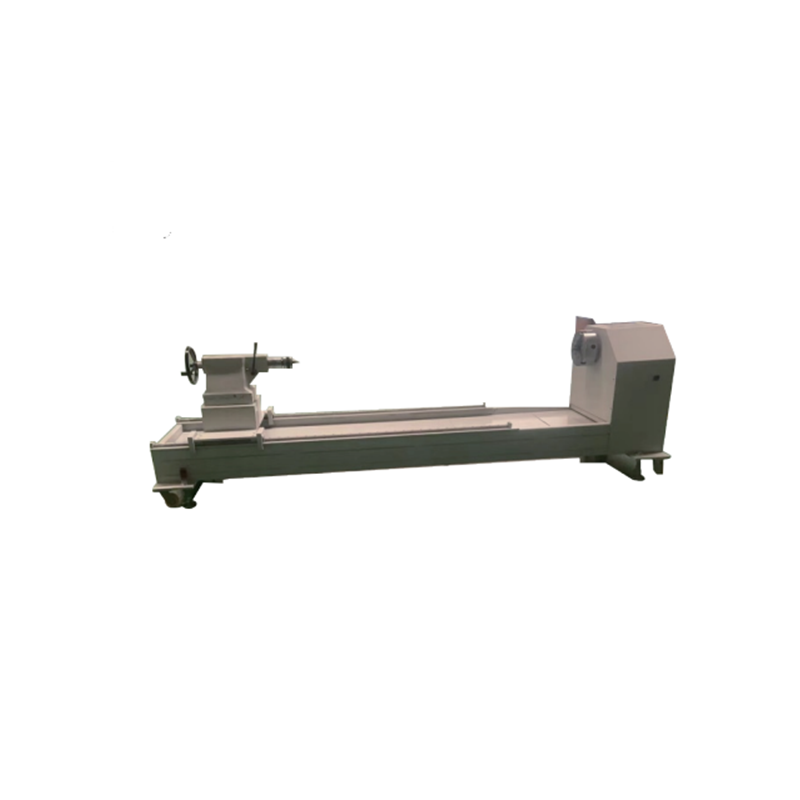
Closed-loop fluid regulators and precision pumps maintain consistent flow rates regardless of line pressure fluctuations. Diaphragm, piston, and gear pumps offer varying levels of control depending on the material viscosity and shear sensitivity. Consistent fluid delivery prevents surging. When a pump surges, it throws heavy bursts of material onto the part, causing runs. Precision regulators dampen these pulsations, ensuring uniform coverage and reducing material waste.
Inline heaters stabilize fluid viscosity. This stabilization allows for lower atomizing pressures, reduced overspray, and consistent application across shifting ambient plant temperatures. By maintaining a constant temperature, operators achieve predictable atomization. Heating the fluid reduces its viscosity without adding solvents. This lowers VOC emissions and allows the gun to atomize the material using less compressed air, which directly reduces bounce-back.
Removing oil, moisture, and particulates from the atomizing air stream is non-negotiable. Dryers, coalescing filters, and regulators guarantee consistent pneumatic velocity and prevent contamination of the atomized spray plume. Clean air ensures the coating adheres properly and cures without defects. If water gets past the compressor and into the atomizing air, it will blow directly into the wet paint film. This causes micro-blistering that might not show up until the part exits the curing oven.
Pneumatic or electric agitators prevent the separation of high-solids, metallic, or abrasive coatings. Proper agitation ensures uniform material distribution before it reaches the gun. This step is vital for maintaining color consistency and structural integrity in the final coat. If metallic flakes settle at the bottom of the pressure pot, the first few parts will look completely different from the last few parts in the batch.
High-mesh inline filters capture particulates, preventing micro-abrasions in the finish. Filtration protects tight-tolerance nozzle orifices from clogging, reducing downtime and extending the lifespan of precision spray equipment. A single piece of dried paint skin can block a fluid tip, forcing the operator to stop the line, depressurize the system, and tear down the gun.
Auxiliary pressure stabilization and air conditioning combine to generate finely atomized liquid particles. This synergy ensures an even, high-quality surface finish. Consistent pressure prevents sputtering, while conditioned air eliminates moisture-related defects. When the air and fluid are perfectly balanced, the spray pattern remains uniform from top to bottom, eliminating heavy centers or split patterns.
There is a direct relationship between auxiliary pressure stabilization and transfer efficiency. Controlled fluid and air velocity minimizes bounce-back and overspray. By directing more material onto the substrate, operators significantly reduce material consumption and disposal costs. Lowering the atomizing air pressure by just 5 PSI can sometimes improve transfer efficiency by 10%, saving thousands of gallons of paint annually.
Automated auxiliary controllers monitor flow rates, temperature, and atomizing air in real-time. These systems adjust parameters to maintain repeatable application rates as production conditions change. Automation removes human error, ensuring consistent quality across large production runs. If the fluid viscosity drops, the controller automatically adjusts the flow rate to prevent applying too much material.
Proper filtration, inline lubrication, and stable pressure regulation reduce mechanical wear and tear on primary precision spray equipment. These measures prevent premature nozzle erosion and valve failure. Abrasive coatings will quickly destroy a fluid tip if the pressure is too high. Regulating the pressure extends the life of these expensive wear parts.
Self-cleaning nozzle auxiliary systems and automated flush cycles prevent clogging. These preventative mechanisms reduce manual maintenance intervals, keeping production lines running smoothly and minimizing unexpected downtime. Automated color change manifolds can flush the lines and load a new color in seconds, compared to the minutes it takes an operator to do it manually.
Deciding when to retrofit auxiliary components versus replacing the entire coating line requires careful evaluation of current bottlenecks. Adding a fluid heater, air dryer, or automated controller often provides immediate improvements at a fraction of the cost of a full overhaul. Retrofitting is viable when the primary equipment remains functional but lacks stability.
Audit current defect rates to identify the root cause (e.g., moisture points to air dryers).
Evaluate the condition of existing fluid lines and manifolds.
Determine if legacy equipment can accept digital sensor inputs.
Calculate the expected material savings from adding specific auxiliary controls.
Selecting universal spray auxiliary equipment allows integration with multiple gun brands, offering flexibility. You can swap out guns without replacing the entire pumping system. Conversely, proprietary coating systems ensure seamless compatibility but lock operators into a single vendor. Evaluate long-term operational flexibility against immediate integration ease.
Continuous, single-material runs demand durability and bulk delivery systems. You need heavy-duty pumps that can run 24/7 without rebuilding. High-mix, low-volume runs require rapid color-change manifolds and easy-flush systems. Tailoring auxiliary equipment to production volume ensures efficiency and minimizes changeover times.
Fine liquid finishing requires different auxiliary setups than high-wear industrial processes like thermal spray or zinc-rich coatings. Industrial applications prioritize pump durability and abrasive-material handling. Fine finishing focuses on precise fluid and air control to achieve Class A finishes.
Optimized auxiliary setups reduce Volatile Organic Compound (VOC) emissions through improved transfer efficiency. Automated flush cycles reduce solvent usage by using precise bursts of air and solvent rather than a continuous flush. These improvements help facilities meet strict environmental regulations while lowering operational costs.
Pairing modern automated auxiliary controls with older manual precision spray equipment presents challenges. Sensor compatibility, pneumatic lag, and analog-to-digital communication gaps often require specialized integration solutions. Address these bottlenecks early in the planning phase. You may need to upgrade pneumatic pilot valves to ensure they respond quickly enough to digital signals.
Auxiliary equipment adoption carries hidden costs if not managed properly. Specialized maintenance schedules for pumps, desiccant air dryers, and heaters are necessary to prevent system degradation. Comprehensive operator training ensures personnel can troubleshoot and maintain the new systems effectively. If operators do not know how to change the desiccant in the air dryer, the system will eventually fail and ruin the finish.
Establish a protocol for measuring success post-integration. Focus on material usage audits, film thickness consistency checks, transfer efficiency calculations, and downtime tracking. Continuous monitoring ensures the auxiliary equipment delivers the expected return on investment. Track the number of rejected parts before and after the installation to prove the value of the upgrade.
Precision coating is a systemic output, not a single-component feature. High-performance spray auxiliary equipment is non-negotiable for manufacturers requiring strict tolerance adherence, reduced material waste, and extended equipment lifespans. Upgrading auxiliary systems provides a clear path to improved coating quality and operational stability.
Audit current coating defects and equipment wear rates to identify specific auxiliary component needs.
Measure baseline transfer efficiency and material consumption to establish a benchmark for improvement.
Consult with an integration specialist to map out a phased auxiliary retrofit strategy.
Implement a strict preventative maintenance schedule for all newly installed air preparation and fluid delivery systems.
A: Spray auxiliary equipment includes components that manage fluid and air before they reach the spray gun. This encompasses pumps, pressure regulators, inline heaters, air dryers, coalescing filters, agitators, and automated control panels.
A: By stabilizing fluid pressure and controlling atomizing air velocity, auxiliary equipment minimizes bounce-back. This improves transfer efficiency, ensuring more coating adheres to the substrate rather than becoming overspray.
A: Yes, many automated controllers, fluid regulators, and inline heaters can be retrofitted to existing manual lines. This improves consistency and fluid control without requiring a complete system overhaul.
A: Inline heaters stabilize fluid viscosity against ambient temperature changes. Consistent viscosity allows for lower atomizing pressures, reducing overspray and ensuring uniform application throughout the production shift.
A: Air preparation systems remove moisture, oil, and particulates from the air supply. Clean, dry air prevents coating defects like blistering and ensures consistent pneumatic velocity for uniform atomization.
A: Inline filters capture contaminants and dried paint particles before they reach the gun. This prevents blockages in tight-tolerance nozzle orifices, reducing the need for manual cleaning and minimizing production downtime.


