
Views: 0 Author: Site Editor Publish Time: 2026-08-11 Origin: Site


A spray system is only as reliable as its most vulnerable component. Failing to specify the correct regulatory and filtration parts inevitably leads to uneven application, material waste, and costly operational downtime. Procurement and engineering teams often focus capital solely on primary fluid movers like high-capacity pumps or large tanks. They under-specify the critical auxiliary components required to regulate flow, maintain pressure, and prevent system-wide clogs. This guide deconstructs the architecture of a complete spray system. It provides a technical evaluation framework for selecting both the primary units and the necessary auxiliary add-ons. You need these components to ensure long-term reliability and precise application. We will break down exactly what parts you need, how to size them, and how to keep them running in the field.
System reliability and precise fluid application depend heavily on properly specified spray auxiliary equipment (gauges, strainers, agitators, fittings, and clamps) to maintain consistent pressure and fluid homogeneity.
Component compatibility across the entire wetted fluid path dictates the lifespan and efficiency of both agricultural setups and high-pressure paint spray systems.
Proper sizing of flow-control assemblies, fittings, and distribution lines is mandatory to prevent pressure drops, material shear, and pump cavitation.
A functional fluid application setup requires a clear delineation between primary fluid movers and the regulatory components that govern them. Primary components include the tanks holding the fluid, the pumps generating the necessary flow, and the distribution booms or guns delivering the material to the target surface. These are the heavy lifters of the operation. However, they cannot function accurately without a robust network of support parts.
This is where Spray Auxiliary Equipment becomes a mandatory focus. Auxiliary regulators act as the system's control and protection mechanisms. They dictate the actual performance, precision, and longevity of the primary components. A high-capacity pump fails quickly if a broken pressure relief valve causes dead-heading. An undersized strainer leads directly to cavitation. The auxiliary parts ensure the fluid reaches the nozzle at the exact pressure and consistency required.
Designing a reliable setup requires framing the equipment evaluation process around specific fluid characteristics. You must analyze the fluid's viscosity, specific gravity, required flow rate in gallons per minute (GPM), and operating pressure in pounds per square inch (PSI). High-viscosity fluids demand positive displacement pumps and larger internal diameter hoses to prevent excessive friction loss. Highly abrasive materials require specialized wear-resistant seals and hardened steel nozzles.
Environmental and operational constraints heavily influence equipment selection. You must determine if the setup will be mobile or stationary. Duty cycles dictate the required durability of the components. Continuous industrial operations need heavy-duty, thermally stable parts. Intermittent use allows for lighter materials. Chemical compatibility is non-negotiable. Every wetted part, from the tank walls to the smallest O-ring, must resist degradation from the specific chemicals or solvents being applied.
| Fluid Characteristic | System Impact | Required Equipment Adaptation |
|---|---|---|
| High Viscosity | Increases friction loss and pump strain | Positive displacement pumps, larger ID hoses, heavy-duty clamps |
| High Specific Gravity | Requires more power to move fluid | Higher horsepower motors, reinforced tank supports |
| Abrasive Suspensions | Accelerates wear on moving parts | Ceramic nozzles, severe-duty pump packings, frequent strainer checks |
| Corrosive Chemicals | Degrades standard metals and plastics | Stainless steel fittings, EPDM hoses, poly valves |
The physical foundation of the equipment dictates its operational flexibility. Stationary skid-mounted setups offer maximum stability for industrial environments or localized mixing stations. They integrate easily into existing facility infrastructure. Highly mobile trailer sprayers and 3-point hitch configurations provide the necessary maneuverability for field applications. 3-point hitches leverage the tractor's existing hydraulic and suspension systems, making them ideal for rough terrain.
Trailer-based systems introduce specific mechanical auxiliary needs. You must evaluate the following components for mobile setups:
Heavy-duty towing attachments capable of handling dynamic fluid loads during transit.
Off-road wheel assemblies that support the weight of a full tank without compacting the soil excessively.
Physical frame structural integrity designed to withstand constant vibration and torsion.
Baffled tanks to prevent fluid sloshing from destabilizing the trailer on uneven ground.
Selecting the right tank material ensures the safe containment of chemicals and prevents premature structural failure. Cross-linked polyethylene is highly popular due to its excellent chemical resistance and impact tolerance. It works well for a wide range of agricultural and industrial fluids. Stainless steel offers unmatched durability. You need stainless steel for highly corrosive chemicals or aggressive solvents used in industrial coatings. Fiberglass provides a good balance of strength and chemical resistance but remains susceptible to impact damage.
Tank geometry directly impacts operational efficiency. A proper sump design ensures complete drainage. This prevents cross-contamination between different fluid batches and simplifies the cleanout process. Internal baffling is essential for mobile setups. It prevents violent fluid sloshing during transport, which can destabilize the vehicle and cause structural stress. Minimizing dead volume ensures you utilize the maximum amount of mixed material, reducing waste.
The pump is the heart of the fluid management setup. Selecting the correct technology requires balancing flow, pressure, and fluid compatibility. Centrifugal pumps excel at delivering high flow rates at lower pressures. They are ideal for transferring large volumes of water or low-viscosity chemicals. Diaphragm pumps are positive displacement units that handle abrasive and corrosive fluids well. The fluid does not contact the pump's internal moving parts. Roller pumps offer a cost-effective solution for moderate pressure and flow but wear quickly when pumping abrasive materials. Piston pumps deliver extremely high pressures required for atomizing thick coatings or long-distance applications.
Matching the pump type to fluid characteristics prevents rapid component failure. Abrasive or high-viscosity fluids require specific seal materials like Viton or Teflon and positive displacement mechanisms to maintain consistent flow. Using a high-speed centrifugal pump for a thick, abrasive slurry results in immediate impeller wear and drastic pressure drops.
Maintaining fluid homogeneity ensures the active ingredients or pigments apply evenly. Mechanical agitation utilizes rotating paddles inside the tank to physically mix the fluid. This method works well for heavy suspensions but requires a dedicated power source and introduces moving parts into the fluid path. Hydraulic agitation uses bypass fluid from the pump, routed through jet agitators at the bottom of the tank, to create a continuous rolling action.
You must evaluate which method effectively prevents suspension separation without introducing unwanted aeration or shear stress to the material. Hydraulic agitation is generally preferred for shear-sensitive chemicals. The pump must be sized properly to handle both the application flow rate and the bypass volume required for the jet agitators. Over-agitation causes foaming, leading to pump cavitation and uneven application.
Precise application relies entirely on accurate flow-control assemblies. Pressure relief valves are mandatory safety devices. They open when system pressure exceeds a predetermined limit, protecting the pump and plumbing from catastrophic bursts. Throttling valves allow operators to fine-tune the flow rate to the nozzles. Bypass systems route excess fluid back to the tank. This maintains system stability and protects the pump from dead-heading when the distribution lines close.
Valve response time and material construction significantly impact application accuracy. Fast-acting valves prevent pressure spikes when sections turn on or off. The construction material must match the chemical profile of the fluid. Brass is common but corrodes quickly with certain fertilizers. Stainless steel offers broad chemical resistance. Poly valves are lightweight and highly resistant to many agricultural chemicals but fail under high-pressure industrial applications.
Accurate pressure readings are essential for calibrating the application rate and diagnosing system health. Liquid-filled pressure gauges, typically utilizing glycerin, are necessary to dampen system pulsation caused by positive displacement pumps. The liquid absorbs vibration. This protects the gauge's internal mechanism and ensures accurate, readable metrics even during heavy operation.
Strategic placement of these gauges provides a comprehensive view of the system's performance. Placing a gauge directly at the pump verifies output pressure. Installing gauges across filters allows you to monitor pressure drops. A sudden drop indicates a clogging strainer. A gauge at the distribution manifold ensures the fluid reaches the nozzles at the correct application pressure, accounting for friction loss through the hoses.
Multi-stage filtration prevents catastrophic pump failure and application blockages. A single piece of debris can score a pump cylinder or permanently clog a precision nozzle. Suction strainers protect the pump from large debris entering from the tank. In-line strainers provide secondary filtration before the fluid reaches the control valves. Nozzle screens offer the last line of defense, preventing microscopic particulates from altering the spray pattern.
Sizing mesh screens correctly requires balancing fluid viscosity, particulate size, and the orifice size of the final application nozzle. Using a mesh that is too fine for a high-viscosity fluid causes immediate restriction and pump cavitation. A coarse mesh allows debris to pass and clog the nozzles. Always consult the nozzle manufacturer's recommendations for the appropriate mesh size.
The structural connections within the plumbing network maintain system vacuum on the suction side and prevent high-pressure fluid leaks on the discharge side. Quick-connect couplers and cam-locks provide rapid breakdown capabilities for maintenance and cleanout. Threaded fittings ensure permanent, secure connections. Heavy-duty hose clamps secure flexible lines to barbed fittings, especially in high-vibration environments.
Choosing incorrect thread types causes cross-threading and inevitable catastrophic pressure loss. Never mix NPT (National Pipe Thread) with BSPT (British Standard Pipe Thread). Incompatible clamp materials lead to rapid corrosion and chemical hazards. Stainless steel T-bolt clamps provide superior holding power over standard worm-gear clamps for high-pressure or critical chemical applications.
Hoses serve as the vital arteries of the distribution network. Evaluating hose materials is critical for safety and performance. EPDM hoses offer excellent resistance to agricultural chemicals and weathering. EVA hoses are highly flexible and commonly used for anhydrous ammonia. PVC hoses provide a cost-effective solution for low-pressure water transfer but degrade quickly when exposed to harsh solvents. You must verify the burst pressure ratings to ensure they exceed the maximum output of the pump.
There is a constant trade-off between flexible routing and pressure loss due to friction in long hose runs. Proper internal diameter (ID) sizing prevents excessive pressure drops. A hose that is too narrow restricts flow. This forces the pump to work harder and reduces the pressure available at the nozzle. Always size the hose ID based on the required GPM and the total length of the run.
The distribution boom dictates the coverage area and application uniformity. Structural considerations are paramount. Aluminum booms offer significant weight savings, reducing soil compaction and stress on the chassis. However, they are prone to fatigue cracking. Steel booms provide unmatched durability for rough terrain but require robust suspension systems. Breakaway hinges, accumulators, and shock absorbers maintain consistent application height over uneven ground. This prevents nozzle damage and uneven coverage.
Comparing plumbed versus dry boom setups reveals distinct operational differences. Plumbed booms have the fluid running directly through the structural pipe. This simplifies design but complicates cleanout. Dry booms use external hoses attached to a structural framework. This significantly improves cleanout efficiency and reduces cross-contamination risks. You can easily flush or replace the external hoses.
Nozzles are the final point of control. They determine the droplet size and spray pattern. Flat fan nozzles are standard for broadcast spraying, providing an even distribution across the boom. Hollow cone nozzles are used for directed applications, such as insecticide spraying in orchards, where canopy penetration is required. Air induction nozzles mix air with the fluid to create larger, heavier droplets. This plays a crucial role in drift reduction during windy conditions.
The relationship between operating pressure, nozzle material wear, and application accuracy over time is direct and measurable. Ceramic nozzles offer the highest wear resistance, making them ideal for abrasive fluids. Polymer nozzles provide excellent chemical resistance and moderate wear life. Stainless steel nozzles are durable but wear faster than ceramic when exposed to abrasive suspensions. Regular calibration compensates for orifice wear and ensures precise application rates.
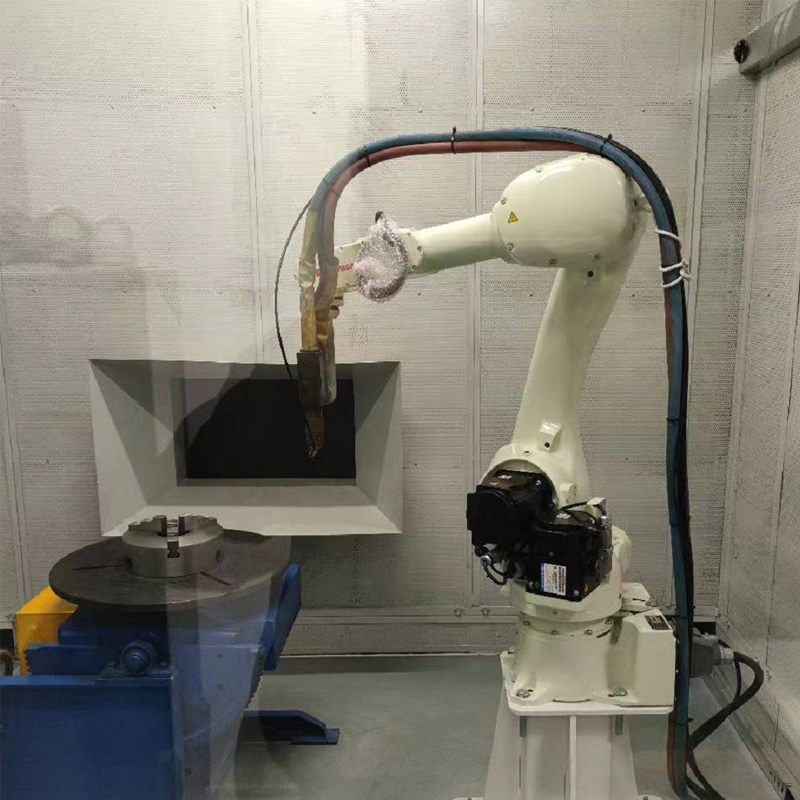
Industrial coating applications operate under extreme parameters compared to standard fluid transfer. A commercial Paint Spray System typically utilizes airless or air-assisted technologies to atomize high-viscosity materials at pressures often exceeding 3,000 PSI. These high-pressure requirements necessitate specialized auxiliary equipment. Wet cups and throat seal lubricants prevent the coating from drying on the pump rod. Without this lubrication, dried paint shreds the internal packings.
You must differentiate between heavy-duty commercial units and entry-level homeowner-grade airless sprayers. Commercial units require continuous throat seal lubrication to protect packings during high-volume, continuous duty cycles. Some homeowner-grade models are engineered with different seal materials to operate without manual throat seal fluid for intermittent use. Managing high-viscosity coatings also requires specific auxiliary equipment to maintain thermal stability. In-line fluid heaters and specialized pulsation dampeners prevent shear-induced fluid degradation before the material reaches the tip.
Agricultural setups prioritize high-volume distribution across wide areas. The focus shifts to boom stability mechanisms that keep the nozzles at a consistent height despite terrain variations. Modern broad-acre systems heavily rely on the integration of electronic rate-controllers and GPS-guided section valves. These electronic auxiliary components automatically adjust the flow rate based on ground speed. They shut off individual boom sections to prevent overlap, maximizing chemical efficiency.
Trailer-mounted agricultural setups have unique auxiliary needs. They require specialized plumbing routes that accommodate the folding and unfolding of massive booms without pinching hoses. Robust suspension systems protect the plumbing and electronic components from severe field vibrations. Heavy-duty tow-hitch assemblies must be rated for the dynamic load of a sloshing fluid tank to ensure safe operation.
System failures usually stem from neglected auxiliary components rather than the primary pump. Cavitation is a major risk. It is often caused by undersized suction lines, clogged suction strainers, or attempting to pump fluid with excessive viscosity. Cavitation violently erodes pump internals and drastically reduces output. Ensuring the suction plumbing is properly sized and completely airtight mitigates this risk.
Preventative strategies maintain system integrity. Seal degradation, O-ring failure, and hose fatigue are inevitable over time. Implementing routine inspection schedules allows operators to identify and replace weeping seals or cracked hoses before they fail under pressure. Using chemically compatible lubricants on O-rings during assembly prevents tearing and ensures a proper seal.
Proper cleaning and storage dictate the lifespan of the equipment. Standard operating procedures for daily system flushing must be strictly followed. Pumping clean water or specific neutralizing agents through the entire system removes chemical residue. Leftover residue corrodes metal parts and degrades polymer seals overnight.
End-of-season protocols prevent catastrophic damage. The process includes completely draining the tank, pump, and all lines. Circulating RV antifreeze through the system protects internal components from freeze damage and prevents seals from drying out. Remove sensitive spray auxiliary equipment, such as electronic flow meters or pressure gauges. Store them in a climate-controlled environment to prevent dry rot and freezing.
Bringing stored equipment back online requires a rigorous multi-point inspection list. For motorized systems, check engine oil and coolant levels. Inspect tire pressure and structural integrity. Examine air intakes, wiring cables, and hydraulic accumulator pressure. Verify that all moving parts on the boom suspension operate smoothly without binding.
Before introducing chemical payloads or high-viscosity paints, pressure-test the entire setup. Fill the tank with clean water and run the pump up to maximum operating pressure. Inspect all clamps, threaded fittings, and line strainers for leaks. This clean-water test ensures that any compromised seals or loose connections are identified and repaired safely. It prevents hazardous chemical spills during actual operation.
| Component Category | Primary Function | Common Failure Points | Maintenance Action |
|---|---|---|---|
| Pumps | Generate fluid flow and pressure | Cavitation, seal wear, scored cylinders | Check suction lines, replace packings, lubricate throat seals |
| Filtration (Strainers) | Protect pump and nozzles from debris | Clogged mesh, cracked bowls, missing O-rings | Daily flushing, visual inspection of mesh, replace damaged screens |
| Valves & Gauges | Regulate and monitor system pressure | Corrosion, stuck bypass mechanisms, ruptured gauge diaphragms | Flush with neutralizers, verify pressure drops, replace leaking valves |
| Hoses & Fittings | Transport fluid and maintain vacuum/pressure | Friction wear, UV degradation, cross-threaded connections | Inspect for dry rot, verify clamp torque, ensure thread compatibility |
Audit your current fluid application requirements, specifically targeting fluid viscosity, required PSI, and GPM, to establish a baseline for equipment sizing.
Map out the necessary filtration and flow-control stages before specifying the primary pump size to ensure the pump can handle the required bypass and pressure drops.
Prioritize architectures with easily accessible strainers, standardized non-proprietary fittings, and chemically compatible wetted parts when upgrading existing setups.
Implement a strict daily flushing protocol and a comprehensive winterization schedule to protect sensitive auxiliary components from chemical degradation and freeze damage.
A: Spray auxiliary equipment includes the regulatory and protective components that support the primary pump and tank. This encompasses pressure relief valves, throttling valves, liquid-filled gauges, in-line strainers, threaded fittings, heavy-duty clamps, agitators, and flow meters. These parts govern fluid flow, maintain consistent pressure, and prevent system blockages.
A: Focus on positive displacement technologies capable of generating high PSI to atomize thick coatings. Look for pumps with abrasion-resistant seals, such as severe-duty packings. Verify the specific throat seal lubrication requirements to prevent high-viscosity materials from drying on the piston rod and destroying the pump internals.
A: No. Professional-grade and commercial systems require continuous throat seal lubricant to prevent coating dry-on at the piston during heavy use. However, some entry-level or homeowner-grade models are engineered with different seal materials to operate intermittently without manual throat seal fluid. Always consult the manufacturer's specifications.
A: Pressure loss at the nozzle is typically caused by clogged in-line strainers or nozzle screens restricting flow. Other common culprits include worn pump seals reducing output, leaking fittings or clamps allowing air into the suction line, or undersized hoses causing excessive friction loss over long runs.
A: Replacement intervals depend heavily on the fluid type and operating environment. Abrasive suspensions require frequent changes. Perform a visual inspection of the mesh integrity daily. Replace the screens immediately if you observe any tears, permanent clogging, or deformation that cannot be cleared by standard flushing.
A: Hydraulic agitation uses bypass fluid routed through jet nozzles at the bottom of the tank to create a rolling mixing action. Mechanical agitation uses physical rotating paddles inside the tank. Hydraulic is preferred for shear-sensitive chemicals, while mechanical is highly effective for keeping heavy, dense suspensions thoroughly mixed.
A: For winterization, flush the system with clean water, drain all components completely, and circulate RV antifreeze to protect seals and prevent freeze damage. Store sensitive gauges indoors. For spring commissioning, check all engine fluids, tire pressures, and boom suspensions. Pressure-test the system with clean water to identify leaking clamps or fittings before adding chemicals.


