
Views: 0 Author: Site Editor Publish Time: 2026-07-14 Origin: Site


Procuring thermal spray systems represents a high-stakes operational decision. This significant investment dictates production bottlenecks and determines final part quality for years. You must look beyond standard brochure specifications. The real goal involves evaluating vendor reliability, technological adaptability, and post-sale engineering support. A robust procurement strategy directly influences your daily operational efficiency. You need equipment capable of running multiple shifts without degrading output quality.
A trustworthy partner transparently discusses hardware limitations and integration challenges upfront. They do not hide behind vague marketing claims. We will explore material handling requirements, automation standards, and critical safety compliance parameters. You will discover how to assess manufacturer capabilities and system flexibility accurately. By mastering these evaluation frameworks, you can confidently secure systems perfectly aligned to your rigorous production demands.
Assessing a Thermal Spray Equipment manufacturer requires looking past peak performance numbers to evaluate operational consistency and reproducibility.
System flexibility is critical: Determine if the vendor supports open-market consumables or requires proprietary powders and gases.
Turnkey automation and safety compliance (ISO, ASTM, AS9100) are non-negotiable for scalable production environments.
Post-sale technical support, operator training, and spare part availability directly dictate long-term ROI and equipment uptime.
Process alignment stands as your foundational evaluation check. Different manufacturing environments require vastly different modalities. High-Velocity Oxygen Fuel (HVOF) excels at delivering dense, wear-resistant carbide coatings for harsh environments. Aerospace turbines demand different approaches compared to oil drilling components. Conversely, plasma spray equipment dominates high-temperature thermal barrier applications. Twin-wire arc handles large-scale corrosion protection efficiently across expansive surface areas. You must evaluate if the manufacturer actually specializes in your required modality. Do not accept generic solutions for highly specific engineering problems.
Scalability ultimately determines long-term viability. Research and development operations need compact footprints. Fully automated production cells demand entirely different infrastructures. Assess whether the manufacturer offers modular hardware. Modular designs allow you to upgrade capabilities seamlessly. You might start with a manual booth operation. Later, you can upgrade to a robotic, high-volume production cell without discarding core components. Ask them about specific upgrade paths during your initial consultation.
System integration capabilities separate elite vendors from basic suppliers. You likely already operate sophisticated robotics, complex exhaust systems, or soundproof enclosures. The new equipment must integrate flawlessly. Verify their engineering team can customize Programmable Logic Controller (PLC) interfaces. The spray robot must communicate seamlessly alongside the part turntable. Avoid forced physical retrofits. Proper integration preserves your existing facility investments and prevents frustrating workflow interruptions.
High-Velocity Oxygen Fuel (HVOF): Ideal for extreme wear resistance. Commonly applies heavy tungsten carbide layers.
Atmospheric Plasma Spray: Perfect for thermal barrier coatings. Easily melts high-temperature ceramics.
Twin-Wire Arc Spray: Highly efficient for large structures. Frequently applies zinc and aluminum anti-corrosion layers.
Cold Spray: Best for oxygen-sensitive materials. Builds thick, dense metallic layers without melting the substrate.
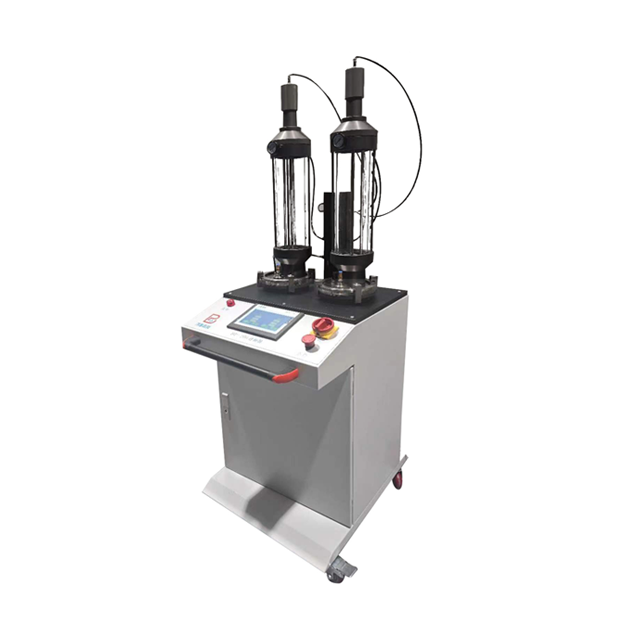
Powder and wire compatibility dictate your daily operational freedom. Your system must tolerate varying material morphologies reliably. Spherical powders flow predictably through delivery hoses. Angular powders pack densely but often jam narrow feed lines. Tungsten carbides behave quite differently than fine ceramics or complex metal alloys. Define these material tolerances early during your evaluation phase to prevent catastrophic feeding failures later.
Consumable sourcing dynamics significantly impact your operational agility. You must identify the lock-in risk immediately. Some equipment strictly mandates proprietary, vendor-supplied powders. These closed systems often void warranties if operators use third-party materials. Other manufacturers encourage open-source procurement. Open-market compatibility offers crucial flexibility. It protects your production schedules during global supply chain disruptions. You retain the freedom to source raw materials globally.
Feeder consistency remains a vital mechanical checkpoint. Powder feeders must execute highly precise mass flow control. Advanced gravimetric feeders measure actual powder weight continuously. Standard volumetric feeders only measure the delivery disc speed. This control directly impacts deposition efficiency. It also maintains incredibly tight coating thickness tolerances. Inconsistent feeding leads directly to porous coatings. It causes unacceptable variations and ultimately creates rejected parts.
| Feeder Type | Control Method | Best Use Case | Consistency Level |
|---|---|---|---|
| Volumetric | Disc/Wheel Speed | Standard wear coatings | Moderate |
| Gravimetric | Weight-loss Scale | Aerospace thermal barriers | Extremely High |
| Fluidized Bed | Gas Suspension | Fine, cohesive powders | High |
Modern coating applications demand sophisticated closed-loop control systems. These advanced systems actively monitor primary gases, secondary gases, and arc voltage. They also track powder feed rates continuously. Electrode wear naturally alters the arc characteristics over time. The software makes instantaneous real-time voltage compensation adjustments without human intervention. This automation ensures the spray plume remains perfectly stable. Stability over long production runs prevents layered defects.
Coating reproducibility separates adequate vendors from exceptional partners. The equipment must hit stringent engineering specifications every single time. Engineers define strict porosity limits, microhardness values, and bond strength targets. Standardized non-destructive testing ensures there is absolutely no room for deviation. Consistent, automated hardware eliminates the dangerous reliance on manual operator overrides. It completely removes human inconsistency from the final product quality.
Data logging capabilities play a crucial role in heavily regulated sectors. Aerospace, automotive, and medical fields require absolute data traceability. Facilities often operate under rigorous NADCAP or AS9100 audit standards. Ensure the proprietary system software provides comprehensive batch reporting. It must record every parameter shift during the spray cycle. You need immediate access to this historical data during unannounced quality audits.
Commissioning expertise rapidly validates a vendor's true industrial capability. A reliable manufacturer always dispatches experienced field engineers for on-site installation. They manage the entire physical setup. They perform rigorous Site Acceptance Testing (SAT). They painstakingly verify gas flows, execute test sprays, and conduct acoustic checks. Engineers calibrate the booth parameters to match factory baseline benchmarks exactly. Proper commissioning prevents early mechanical failures.
You must also address the inevitable human bottleneck. Even the most advanced equipment fails without skilled operators. Assess the depth of their provided training programs. Look for comprehensive instruction modules. These should cover advanced recipe programming, emergency safety protocols, and basic preventive maintenance. Operators must learn how to handle routine component teardowns safely. Competent operators maximize your equipment uptime drastically.
Safety engineering demands absolute transparency and rigorous evaluation. Combustible dust management requires robust, inherent safety designs. Fine metallic dust poses severe explosion risks. Dust collectors must meet strict National Fire Protection Association standards. High-pressure gas handling systems need automated shut-off fail-safes. Hazardous byproducts require industrial HEPA filtration. Ultraviolet radiation and extreme acoustic noise necessitate certified booth shielding. Evaluate these critical safety features carefully before committing any capital.
The pilot test remains your most powerful empirical evaluation tool. Always demand a thorough proof-of-concept run. Send a physical test substrate directly to their application laboratory. Demand they use the exact hardware configuration you intend to purchase. Verify the resulting coating quality, deposition rates, and overall cycle times. Scrutinize the final lab reports for detailed micrographs and deposition efficiency percentages. Relying on their physical hardware for this test validates their theoretical claims.
Reference checks provide unfiltered operational reality. Request detailed case studies. Ask for formal introductions to current users. Focus specifically on peers operating in similar harsh industrial environments. This strategy helps you gauge real-world equipment durability accurately. Discuss maintenance teardown frequencies. It also reveals the actual responsiveness of their technical help-desk team during an unexpected crisis.
Service Level Agreements formalize the long-term partnership. Compare the fine print regarding their remote diagnostic capabilities. Modern systems allow engineers to troubleshoot software faults securely over the internet. Look for guaranteed technician response times. Distinguish between 24-hour onsite guarantees and 48-hour remote assistance tiers. Robust support networks protect your daily operations from catastrophic, prolonged downtime.
Initial Technical Audit: Share your substrate drawings and expected throughput volumes.
Consumable Assessment: Verify open-market powder compatibility and feeder limitations.
Proof of Concept: Request physical coating samples sprayed on your actual parts.
Facility Inspection: Review their manufacturing plant to assess build quality.
SLA Negotiation: Finalize support terms and emergency response commitments.
Procuring thermal spray systems establishes a critical, long-term operational partnership. You are not just purchasing a solitary spray gun. This relationship fundamentally determines your production stability and part quality. A rigorous evaluation protects your facility from frequent downtime. It also shields you from unpredictable operational bottlenecks.
Prioritize a manufacturer acting primarily as an engineering consultant. They should willingly map your exact substrate materials, facility environment, and throughput needs. This careful mapping guarantees the correct hardware configuration. Demand transparency regarding integration limits, mechanical maintenance frequencies, and safety compliance. Secure a vendor dedicated entirely to your ongoing operational success.
A: Lead times vary significantly based on system complexity. Standard modular setups may ship relatively quickly within a few weeks. However, fully custom cells integrating advanced robotics often take 12 to 24 weeks. Global supply chain factors regarding specialized electrical components also impact delivery schedules. Always confirm guaranteed delivery dates during initial contract negotiations.
A: Sourcing both from one vendor provides guaranteed compatibility and a single point of accountability. You avoid finger-pointing if coating defects arise. Conversely, this arrangement carries a lock-in risk. Ensure the equipment allows open-market consumables as a backup to maintain supply chain flexibility.
A: Coating material and desired characteristics dictate the choice. Ceramics and high-temperature thermal barriers typically require plasma spray equipment. Dense, highly wear-resistant tungsten carbides rely on High-Velocity Oxygen Fuel (HVOF) systems. Rely on the manufacturer's engineering team to perform substrate testing and provide final guidance.
A: Installing a full cell requires substantial facility preparation. Prerequisites include high-amperage electrical drops and dedicated bulk gas storage solutions. You must install specialized ventilation and combustible dust collection systems. Acoustical enclosures are mandatory to mitigate extreme operational noise. Water chilling units are also necessary to cool the torches.


