
Views: 0 Author: Site Editor Publish Time: 2026-07-15 Origin: Site


Transitioning from selecting a coating technology to choosing the right vendor represents a critical juncture for capital expenditures. Facility managers often underestimate the hidden complexities involved in this decision. You must look far beyond simple specification sheets to guarantee long-term operational success. Thermal spray systems require precise synchronization of volatile gases, microscopic powders, massive electrical power, and advanced robotics. When this delicate machinery fails, it creates severe production bottlenecks and ruins incredibly high-value aerospace or industrial components. Such unplanned downtime quickly erodes operating margins and permanently damages your operational reputation. An established and highly experienced Thermal Spray Equipment manufacturer provides much more than raw machinery. We will explore how these veteran vendors deliver robust process stability, strict regulatory compliance, and highly reliable lifecycle support. You will learn exactly how to evaluate their technical depth, mitigate facility integration risks, and secure long-term operational predictability.
Process Stability: Veteran manufacturers understand the material science behind the machinery, ensuring consistent coating repeatability.
Risk Mitigation: Proven vendors anticipate facility integration challenges, reducing installation timelines and initial operational downtime.
Lifecycle TCO: Long-term access to proprietary spare parts, maintenance schedules, and technical support drastically reduces overall operating costs.
Workforce Enablement: Experienced providers offer structured training programs, bridging the critical operator skills gap in thermal spray technology.
Downtime in thermal spray operations creates a cascading financial impact. When equipment fails mid-process, operators must scrap expensive materials. Unfinished components often require complete stripping and recoating. This wastes valuable production hours and depletes costly spray powders. Missed service level agreements (SLAs) quickly frustrate end clients. Furthermore, idling thermal spray booths consume massive amounts of energy. They draw heavy electrical loads even when not actively spraying parts. Inexperienced vendors fail to optimize these energy states, leading to substantial operational waste.
You cannot rely solely on standard specification sheets. These documents rarely capture the dynamic variables of sustained production environments. A brochure might boast impressive maximum powder feed rates. However, it rarely details how the feeder behaves after eight continuous hours of operation. Moisture buildup and powder compaction often plague poorly designed feeders. Experienced manufacturers design their systems to handle these real-world fluctuations. They ensure continuous material flow without unexpected clogging or pulsation.
Partnering with unproven vendors often means paying for their learning curve. Many new suppliers use early-stage deployments as beta tests. They rely on your facility to identify software bugs and hardware weaknesses. This creates a volatile environment where equipment reliability remains uncertain. Your production line should never serve as a testing ground for experimental machinery. Unproven components fail prematurely, forcing your maintenance team to constantly troubleshoot undocumented errors.
Common Mistakes to Avoid:
Assuming spec sheet maximums equal continuous production capabilities.
Ignoring the energy consumption rates of idling equipment.
Accepting serial number 001 of a newly designed torch without extensive validation.
High-kinetic coating processes demand extraordinary engineering precision. Extreme pressures and supersonic gas velocities define these advanced applications. Managing combustion dynamics requires flawless fluid mechanics and robust thermal management. If you need HVOF spray equipment, precise powder feed rates become non-negotiable. Even minor fluctuations in carrier gas pressure will alter the coating microstructure. Experienced manufacturers understand these intense physical demands. They engineer high-velocity systems utilizing wear-resistant alloys and optimized nozzle geometries. This ensures consistent kinetic energy transfer to every single powder particle.
Off-the-shelf limitations often stall complex production runs. Specialized facility layouts frequently demand customized integration. Niche industry geometries, like internal engine cylinder bores, require modified torch designs. Standard bulky torches simply cannot access these confined spaces. Experienced engineering teams modify cooling systems to prevent torch degradation in tight enclosures. They adapt robotic integrations to follow complex tool paths seamlessly. This level of customization separates mere equipment assemblers from true technical partners.
Mature control systems represent the brain of any modern coating cell. Software and automation integration dictate quality assurance. Advanced equipment logs every operational parameter in real-time. It records gas flows, electrical currents, and cooling temperatures. This data proves crucial for compliance tracking in highly regulated sectors. If a component fails field inspection, you can trace the exact coating parameters used during its production. Closed-loop control systems automatically adjust variables to maintain a stable plasma or combustion plume.
| Feature | Off-the-Shelf Systems | Custom Engineered Solutions |
|---|---|---|
| Torch Geometry | Standard sizes, limited access | Miniaturized or extended for complex bores |
| Cooling Capacity | Baseline heat dissipation | Enhanced closed-loop chilling for tight spaces |
| Data Logging | Basic operational metrics | Comprehensive parameter tracking for QA audits |
| Robotic Integration | Basic linear or 6-axis pre-sets | Fully synchronized multi-axis manipulation |
Installing industrial spray booths involves complex infrastructure planning. It goes far beyond simply plugging in a power supply. You must manage intense acoustic emissions, often exceeding 120 decibels. This requires heavy-duty acoustic enclosures to protect plant personnel. Exhaust routing presents another major hurdle. Collecting volatile dust safely demands specialized ventilation and wet scrubbing systems. Gas management requires rigid piping for oxygen, hydrogen, or argon.
Essential Site Readiness Steps:
Assess structural floor loading for heavy acoustic enclosures and robotic bases.
Route high-amperage electrical drops directly to the power supply unit.
Install dedicated, leak-proof gas manifolds outside the immediate spray zone.
Configure industrial dust collection systems tailored to specific powder hazards.
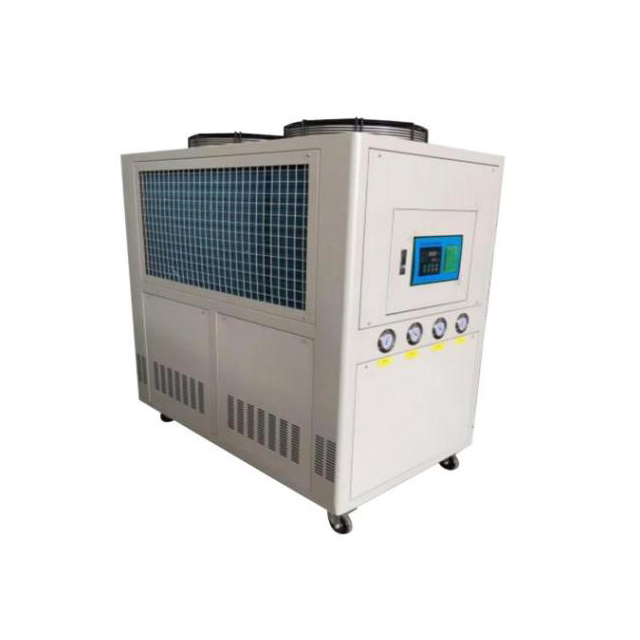
Establish proper cooling water flow rates and filtration mechanisms.
Bridging the operator skills gap remains a universal industry challenge. Thermal spray operations carry a remarkably steep learning curve. Operators must understand complex plasma dynamics and metallurgical bonding principles. Established manufacturers recognize this critical human element. They provide comprehensive, hands-on training directly on your factory floor. They transition green staff into highly competent system operators. Proper training prevents catastrophic operator errors and drastically reduces initial scrap rates.
Adhering to strict safety and compliance standards starts on day one. High-stakes industries enforce rigid quality frameworks. Aerospace manufacturing strictly requires AS9100 compliance for all coating procedures. Local environmental agencies monitor emissions and hazardous waste disposal. An experienced equipment builder designs their machinery to meet these exact codes. They incorporate redundant safety interlocks, automated gas shutoffs, and precise emissions monitoring ports. This proactive engineering prevents costly regulatory fines and ensures immediate operational certification.
Supply chain resilience dictates your long-term operational uptime. A robust supply network for critical consumables is absolutely vital. Items like copper nozzles, tungsten electrodes, and specialized powder blends deplete rapidly. If a vendor struggles to source these materials, your production line stops. Established manufacturers maintain deep inventories of proprietary consumables. They forecast demand based on your specific usage rates. This guarantees you never face stockouts during critical production runs.
Maintenance realities often shock new facility managers. Practitioner forums frequently discuss the rapid wear-and-tear on specific torch components. High-energy plasma streams degrade internal hardware continuously. Immediate spare parts availability solves this major pain point. You cannot wait weeks for a replacement powder port or water baffle. A trusted vendor ships vital replacements overnight. They understand that every hour of downtime bleeds resources. They design modular torches to allow rapid component swapping without extensive realignment.
Experienced vendors incorporate advanced diagnostic tools directly into their systems. This shifts maintenance from a reactive emergency into a scheduled task. Predictive maintenance tracking measures microscopic changes in operational data. A steady drop in operating voltage usually indicates severe electrode wear. The software alerts operators to change the part before a catastrophic failure ruins a coating. This intelligent forecasting keeps operations smooth and entirely predictable.
Maintenance Best Practices:
Log primary voltage drops daily to track electrode deterioration.
Inspect powder injector ports for internal buildup between every shift.
Flush cooling water lines monthly to prevent mineral scaling.
Calibrate mass flow controllers bi-annually to ensure gas precision.
Securing proof of capability requires demanding verifiable evidence. Do not accept generic marketing claims. Request blinded case studies of similar operational environments. Ask how they solved specific integration challenges for companies with identical production volumes. A credible vendor eagerly shares success stories detailing exact problem-solving methodologies. They will provide technical whitepapers demonstrating their grasp of complex metallurgical bonding. This evidence proves they possess the engineering depth required for your specific application.
Pilot testing and coating validation eliminate purchase risks. You must verify coating microstructures before finalizing any procurement. Run your actual sample parts through the manufacturer's demonstration equipment. Independent laboratories should then test these samples for porosity levels and bond strength. This validation proves the machinery can achieve your exact required specifications. If a vendor refuses to conduct a comprehensive pilot test, you should immediately disqualify them from consideration.
Service Level Agreements define the long-term relationship. Shortlisting logic must heavily weigh post-installation support. Demand guaranteed response times for remote technical troubleshooting. Clarify the exact timeframe for dispatching on-site repair technicians. Evaluate their commitment to parts delivery speeds. A solid SLA acts as an insurance policy for your production schedule.
| Evaluation Criteria | Minimum Requirement | Ideal Vendor Standard |
|---|---|---|
| Case Studies | Provides generic industry examples | Supplies blinded case studies matching your exact volume |
| Pilot Testing | Sprays flat test coupons only | Coats complex sample geometries for lab validation |
| Support SLA | 48-hour email response time | 2-hour remote support; 24-hour part dispatch |
| Training | Digital manuals provided | On-site, multi-day hands-on operator certification |
In high-stakes coating operations, the manufacturer's legacy and support infrastructure are as critical as the hardware itself. Your facility needs robust engineering, reliable consumables, and comprehensive training to maintain production targets. Choosing an inexperienced vendor invites disastrous downtime, unresolvable technical glitches, and costly material waste. A proven vendor anticipates integration challenges and engineers solutions proactively.
Procurement and engineering teams must prioritize vendors willing to engage in upfront process mapping. Demand rigorous material validation testing before signing any agreements. Scrutinize their long-term service level agreements for guaranteed support metrics. By systematically evaluating technical depth and lifecycle support, you ensure a stable, compliant, and highly successful thermal spray operation.
A: Established vendors feature streamlined supply chains and utilize modular designs. They do not engineer standard components from scratch for every order. This maturity results in highly accurate and reliable delivery schedules, preventing costly facility launch delays.
A: No. HVOF requires highly specialized expertise in managing high-pressure combustion and extreme kinetic energy. Only manufacturers with proven safety records, advanced fluid dynamics knowledge, and specific performance histories in this demanding niche should be considered.
A: A robust warranty must clearly detail expectations for replacement parts, repair labor, and free software updates. It should also include specific, transparent clauses defining the exact lifespan expectations of high-wear consumables like electrodes and nozzles.
A: Look for a comprehensive, tiered training structure. It must cover basic equipment operation, routine maintenance procedures, and immediate troubleshooting. Advanced tiers should include parameter optimization and metallurgical principles to fully empower your operators.


